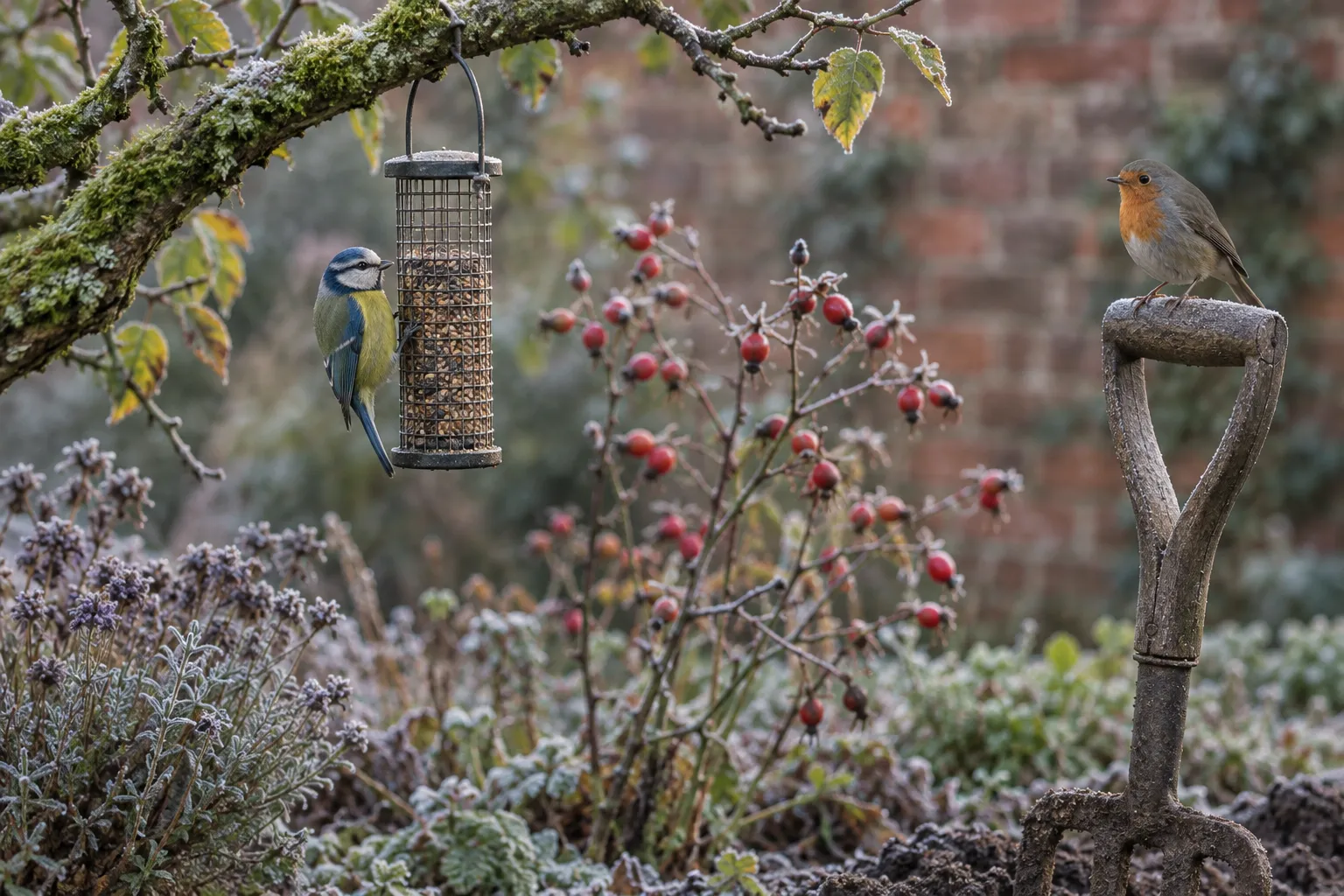
Guides by topic
Garden stories, practical print guides and artwork. Start with the thing you want to keep.
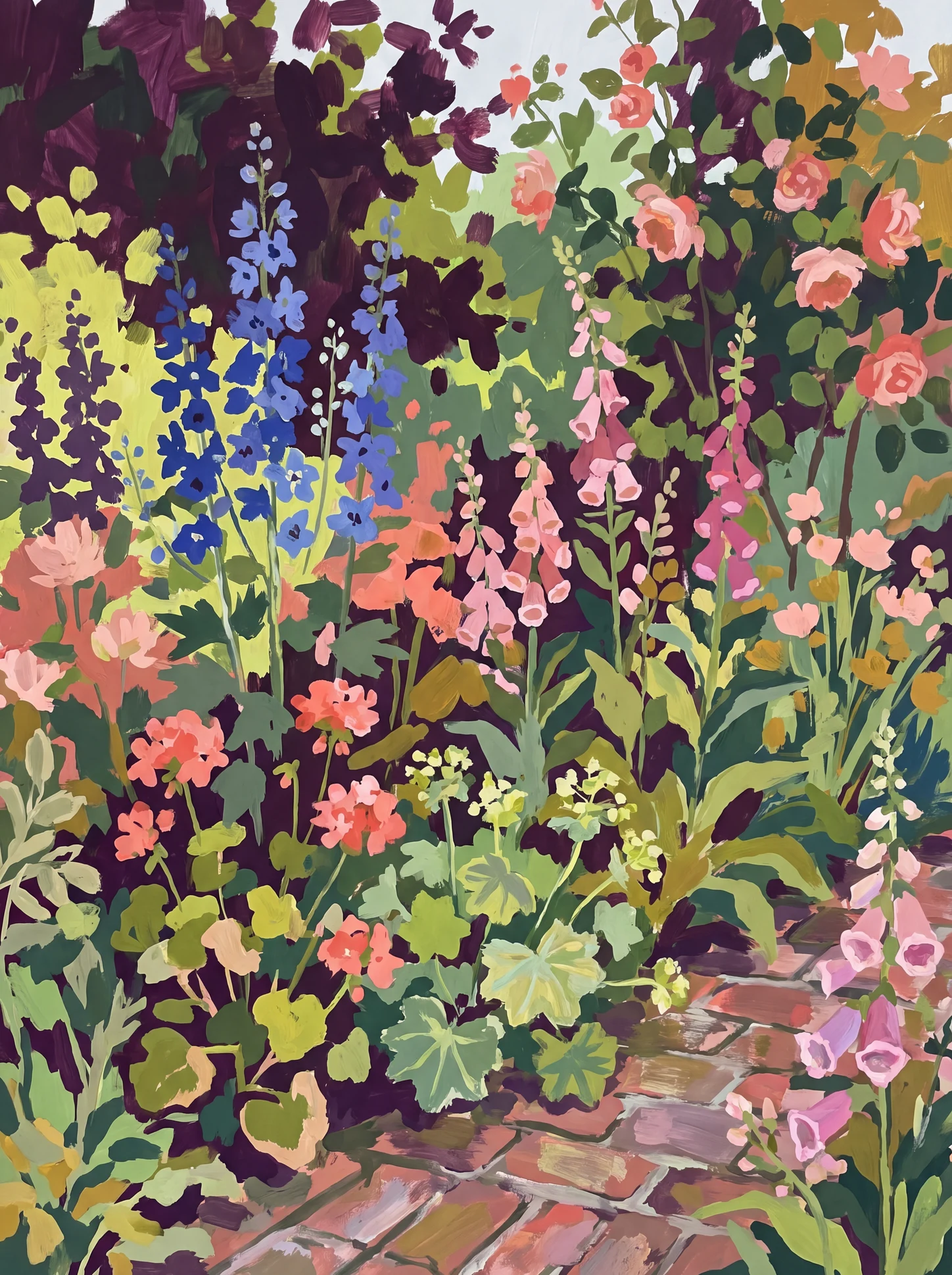
More guides and references
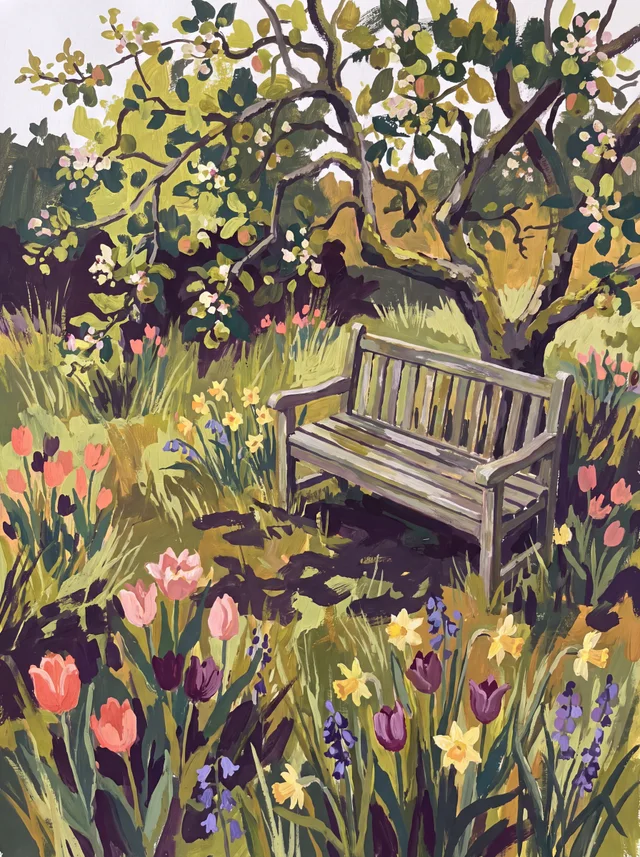 Garden journal and guidesGarden stories, pictures worth keeping, and a little help bringing it all indoors.
- When to plant, worked out for where you livePick your nearest weather station and see when to sow and plant about twenty common crops and flowers, as real dates for that place. Print it as a year calendar for the shed wall.
- Water butt calculatorType the size of your roof, shed or greenhouse and where you live. You get the litres it collects in a year, how long a butt takes to fill, and how many butts are worth having.
- Allotment plot plannerGive the size of your plot and how many beds you want, and the planner shares it out and sets a crop rotation for the next three or four years. Print it for the shed wall or send the link to whoever shares the plot.
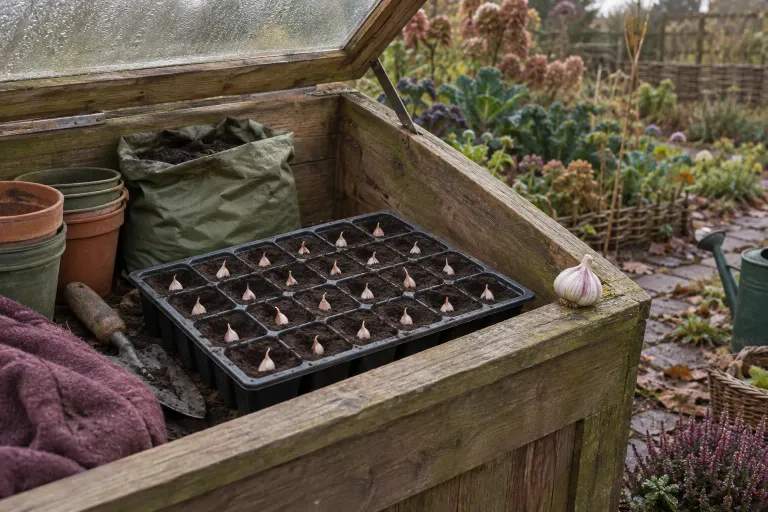 Seed spacing calculatorChoose a crop and give the size of your rows or bed. The calculator tells you how many plants fit, how many seeds to have ready, and draws the layout to scale.
- Companion planting chartCompanion planting means growing plants side by side so one helps the other. Pick a plant to see good neighbours and ones to keep apart, each with the reason and how well it stands up.
- Pond volume calculatorType the shape and size of your pond to find how much water it holds, in litres and UK gallons. You also get the liner size, the pump flow for a fish pond and what the water weighs.
- Raised bed soil and gravel calculatorType the size of your beds, borders or paths and how deep you want to fill them. We work out the litres, how many bags to buy and roughly what a bulk load would weigh.
- Seed swap kitEverything you need on paper to run a seed swap: packets to fold and glue, labels, a sign for the table and a sheet for people to sign in. Type your event and print on plain A4.
- Flower and produce show entry helperType your entries and print a card for each one, sorted in class order, with a checklist for the night before and the morning of the show. Running the show? Print your class schedule and blank judging cards.
Garden journal and guides
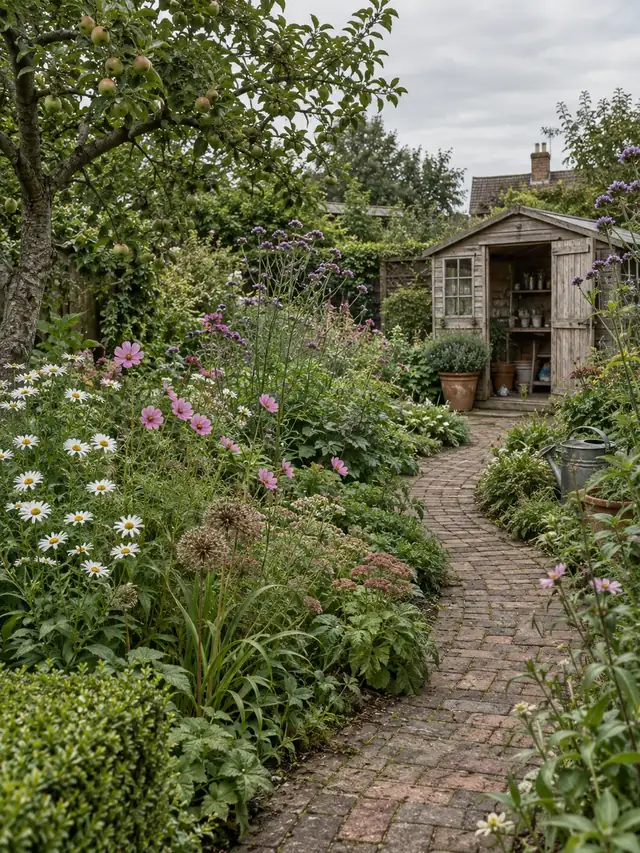 How to photograph your garden for a printA good garden photograph needs a clear subject more than perfect weather. Choose the view you recognise, then give it enough light and space to work on paper.
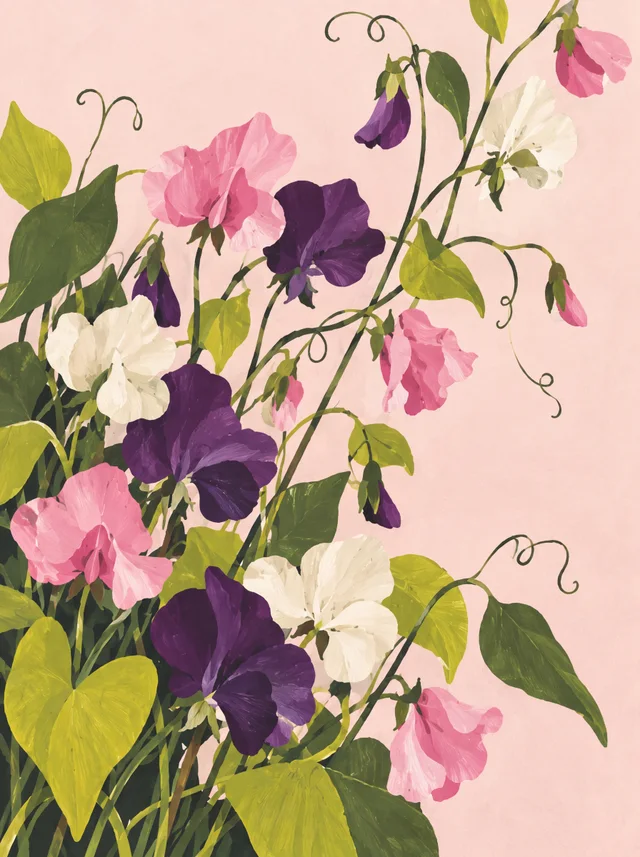 Garden print sizes and framingStart with the wall, shelf or room where the print will live. Then choose a size and finish that suits the photograph and the space.
- A record, or a new interpretation?Both begin with your photograph. The important difference is whether you want its details preserved or its appearance reimagined.
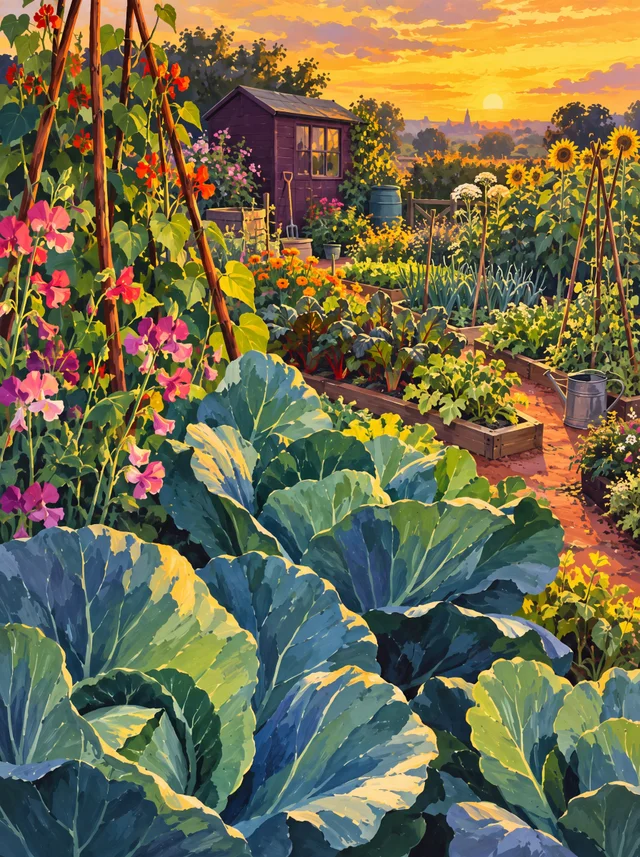 Keep the plot you made your own.A plot can hold years of small changes. Choose a photograph that tells your part of its story, from the first cleared bed to the last basket of the season.
- Let the flowers do the talking.You do not need a gallery wall to make garden art work. One well-chosen picture, with room around it, can be enough.
- When the frosts come, station by stationIn the UK the last spring air frost comes, on average, between 20 February at Camborne and 25 May at Aviemore. Those averages come from 30 Met Office weather stations and 30 years of daily records, with the first autumn frost alongside. Use them to plan, not to promise: the columns beside each average show how far the frost has strayed.
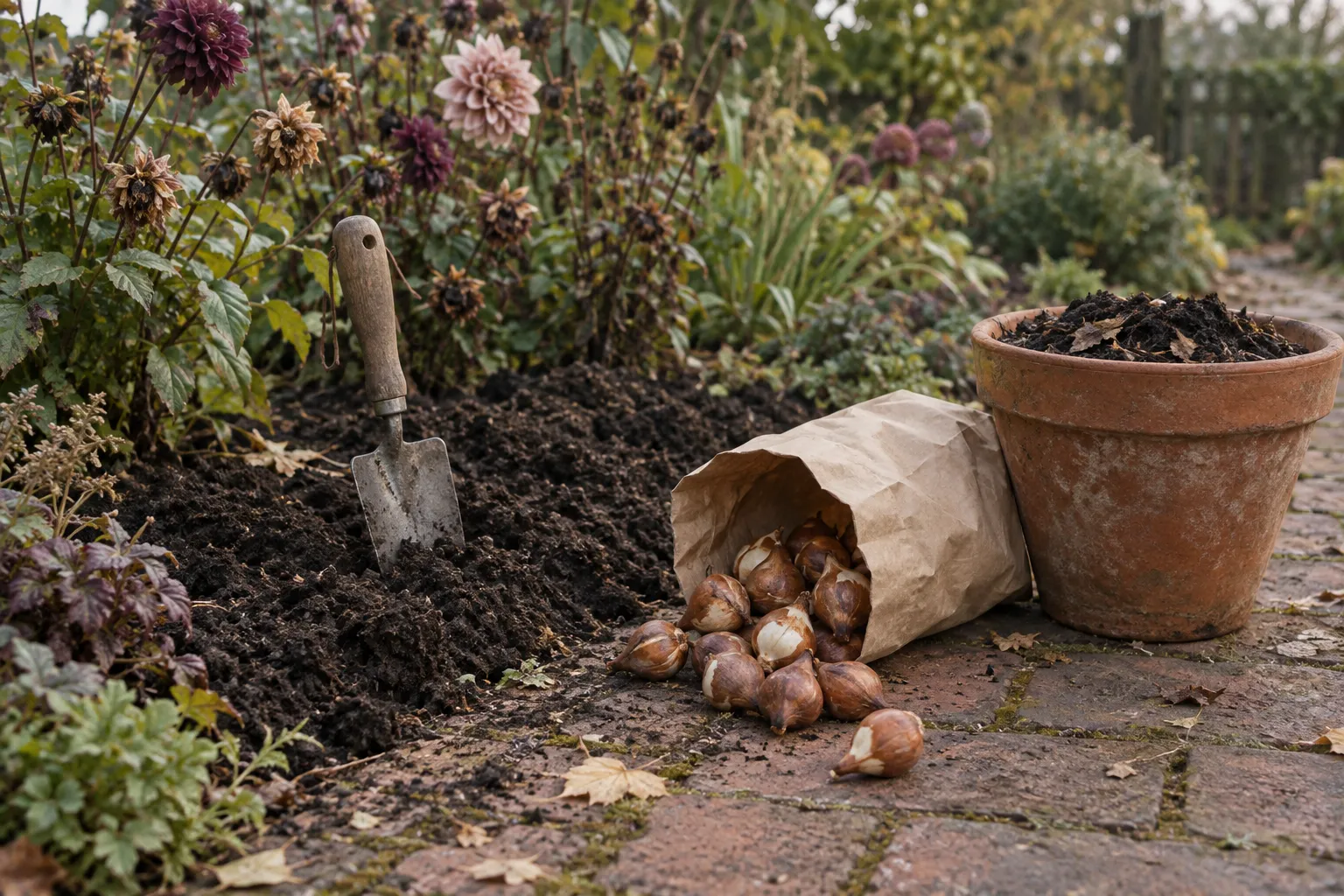 When to plant tulip bulbs in the UKPlant tulip bulbs in autumn. The RHS names November as the month for tulips, and says December still works. This guide gives the depth, the spacing, and what to do if you are late.
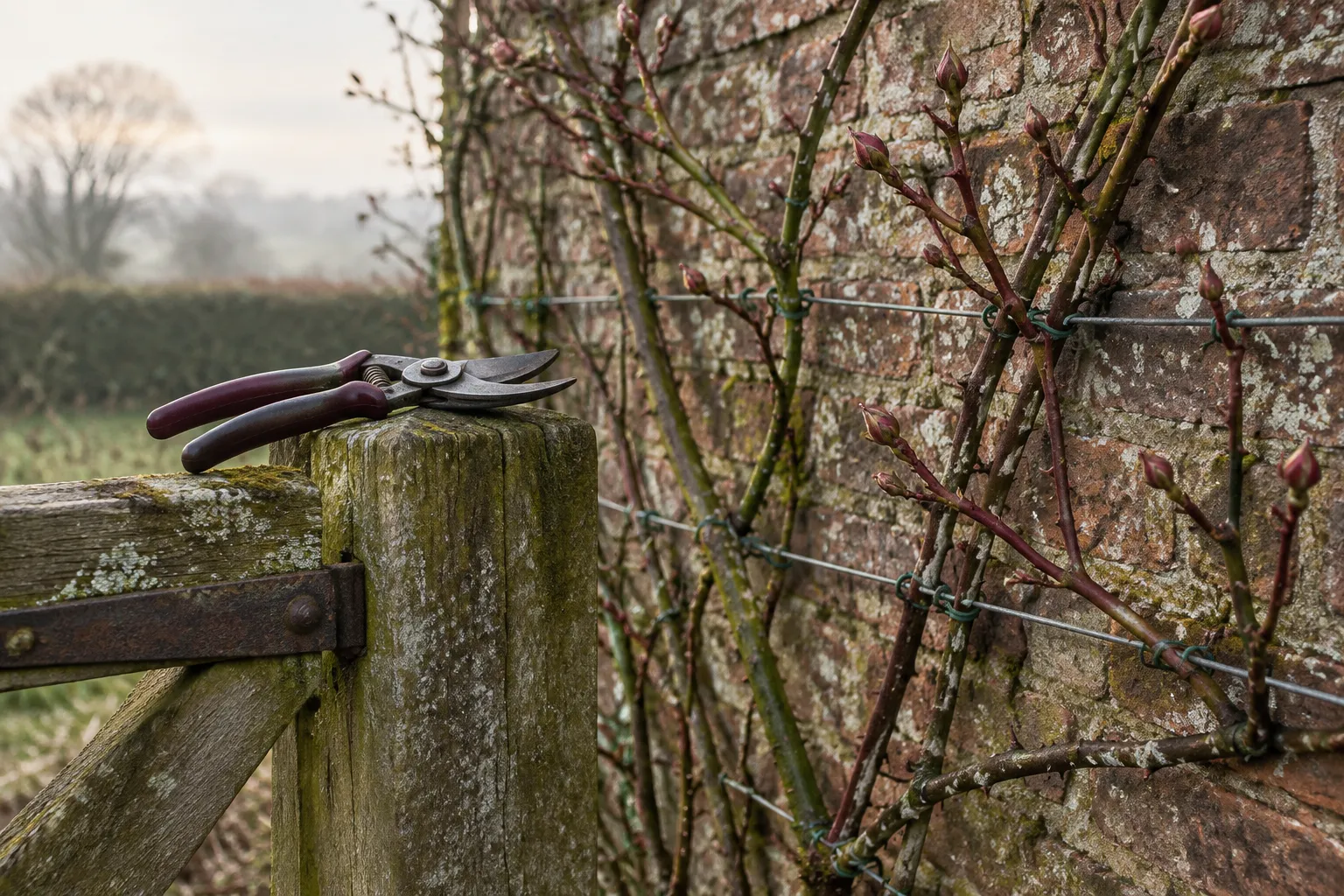 When to prune rosesThere is no single month, because roses are pruned by type. Find yours below: late winter suits most bush roses, and ramblers wait until late summer.
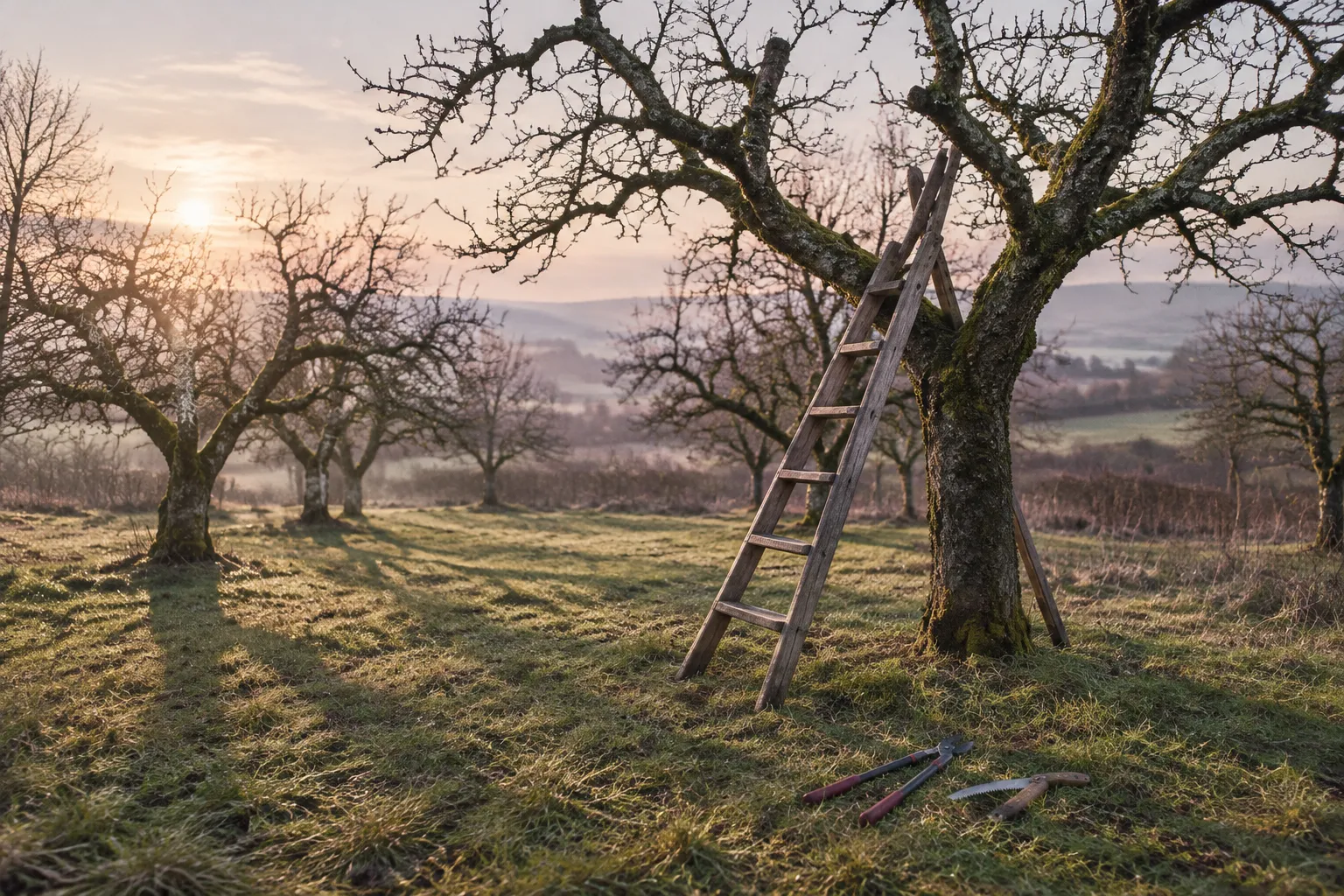 When to prune apple treesFree-standing apple trees are pruned in winter, while they are dormant. Trained forms such as cordons and espaliers are pruned in late summer. Which one you have decides the month.
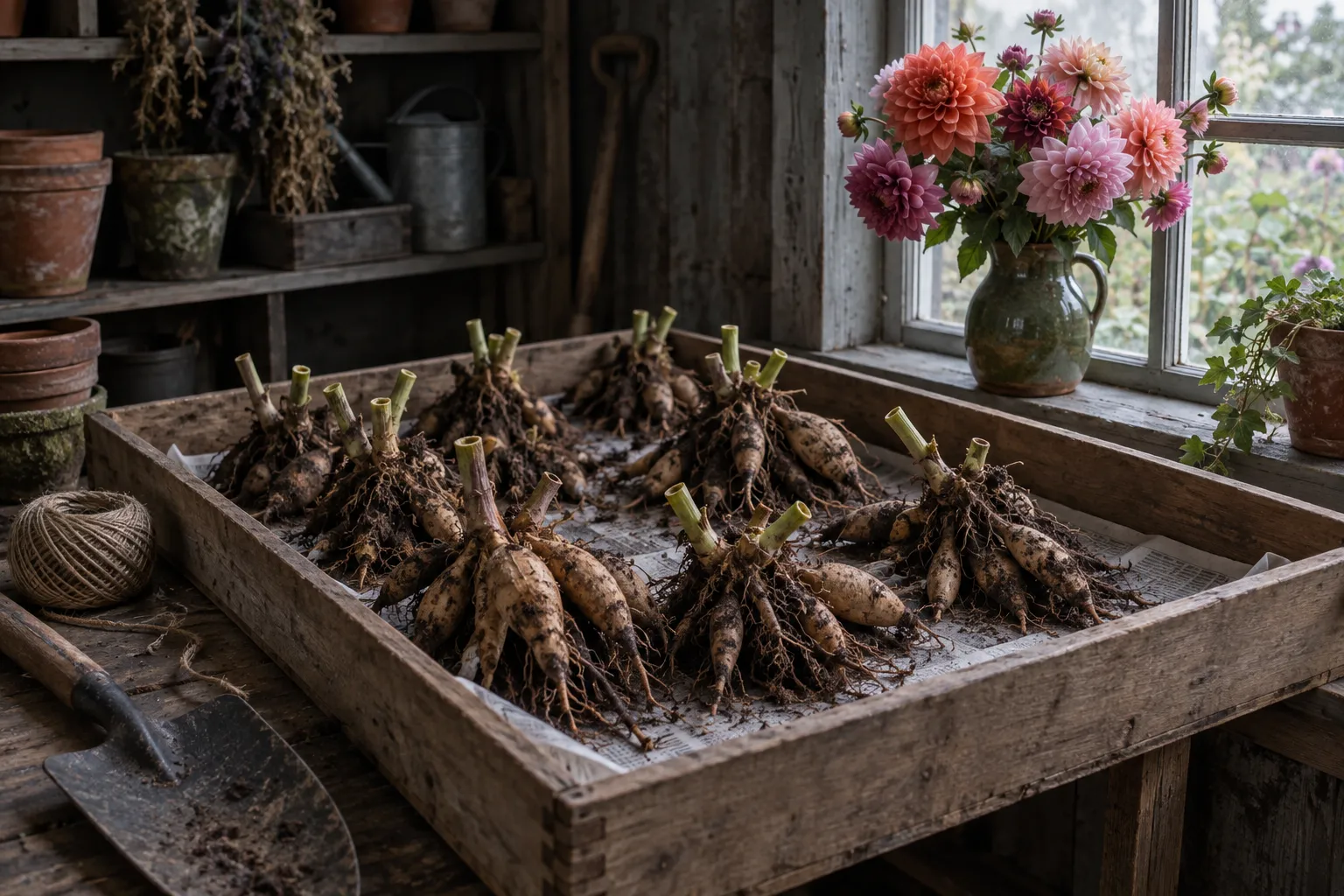 How to grow dahlias, and overwinter themDahlias grow from tubers, and the frost kills them. Start them indoors in spring, plant out after the last frost, and decide before November whether to lift or leave them.
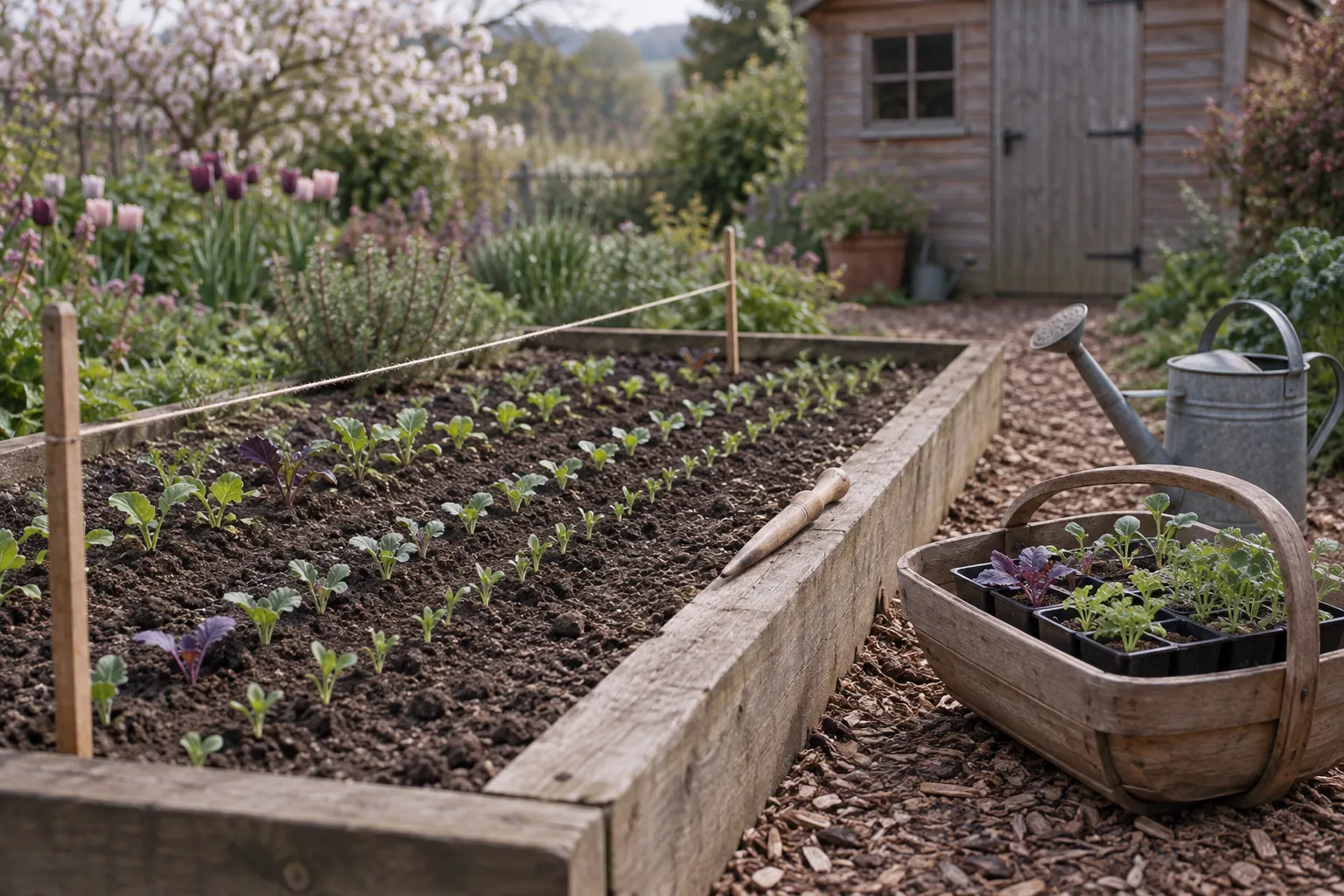 Vegetable planting calendar for UK gardensWhat to sow and plant in a vegetable plot, month by month, taken from the RHS jobs lists. It starts under cover in January and ends with garlic in December.
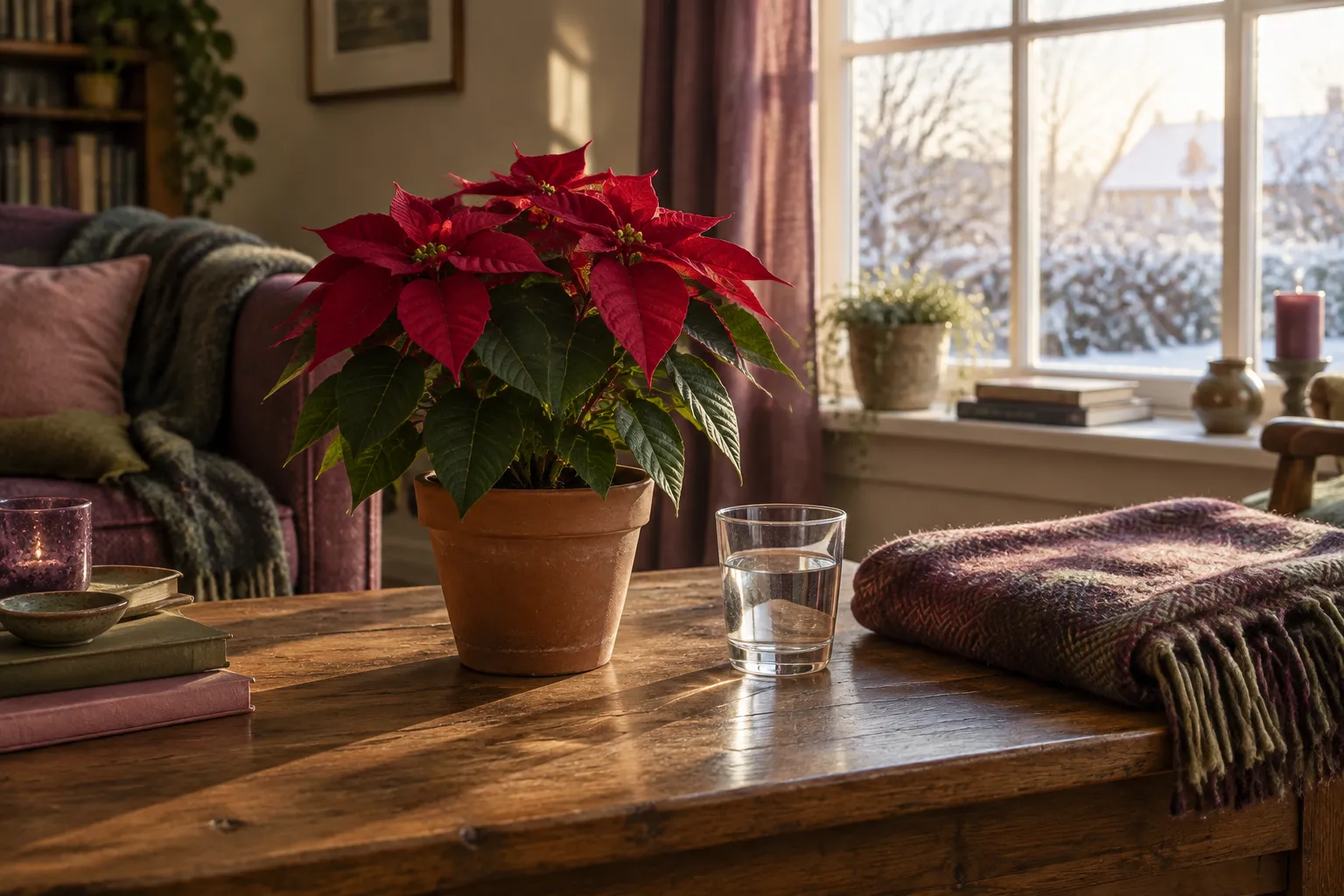 Poinsettia careThe commonest poinsettia problem is cold damage, and it usually happens before you buy. Choose one from a warm shop, keep it out of draughts, water sparingly, and it can last past Christmas.
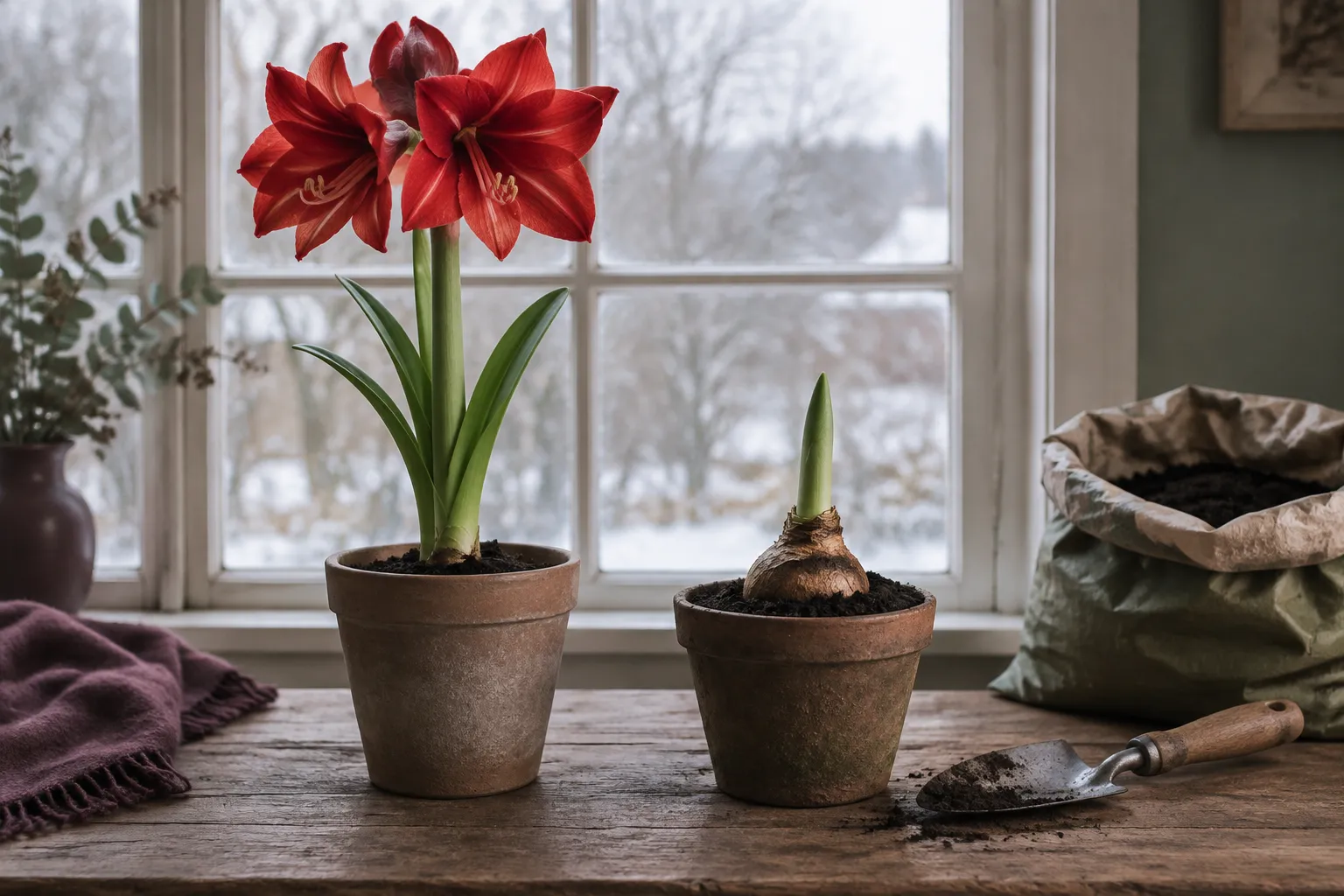 Amaryllis careThe RHS says to plant an amaryllis bulb in October for flowers at Christmas. One RHS page gives six to eight weeks from planting to flowering, another about ten. This guide covers planting it, making the flowers last and getting it to bloom again.
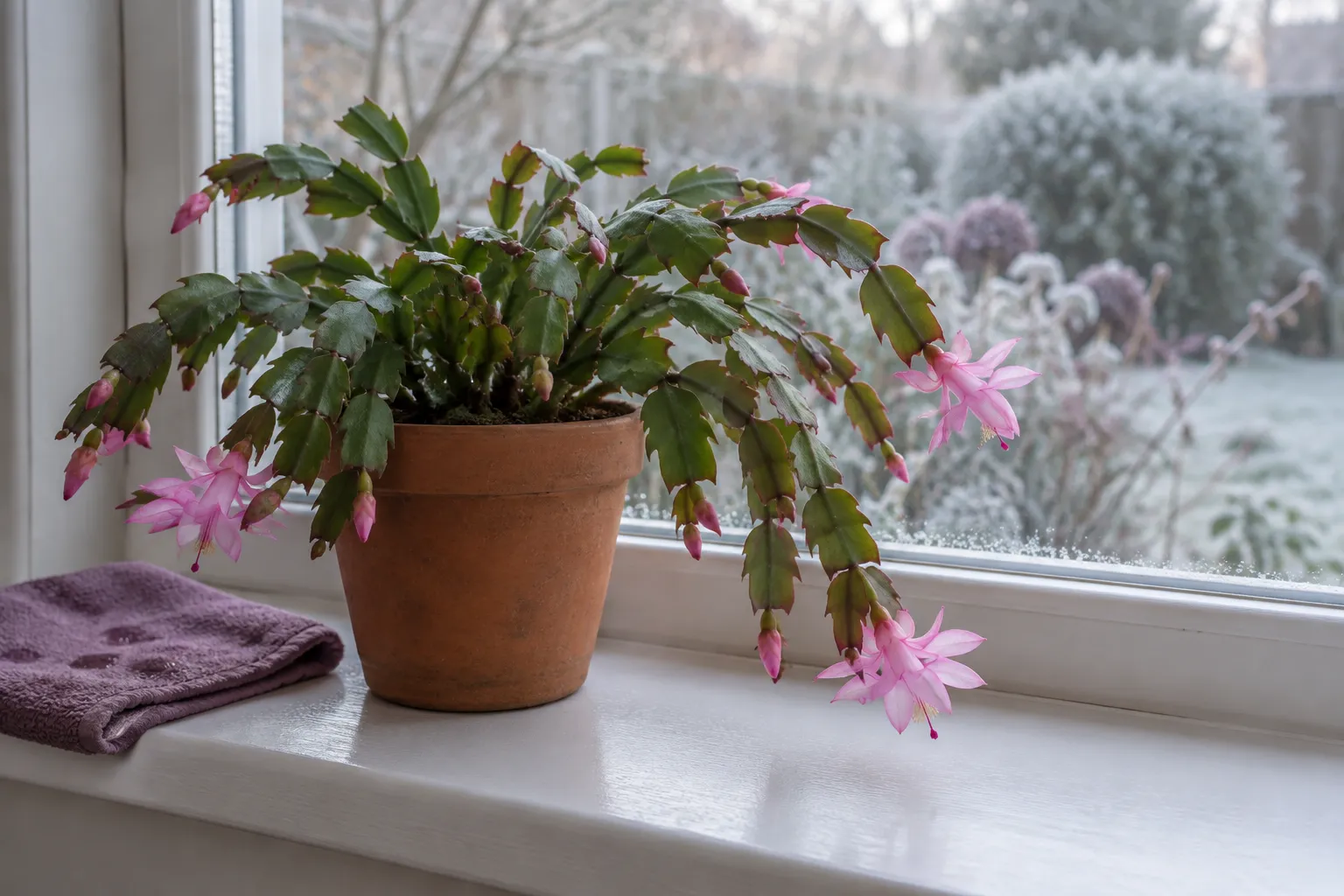 Christmas cactus careA Christmas cactus isn't a desert plant. It wants bright light but no full sun, regular water in summer, and two cooler, drier spells a year to set its buds.
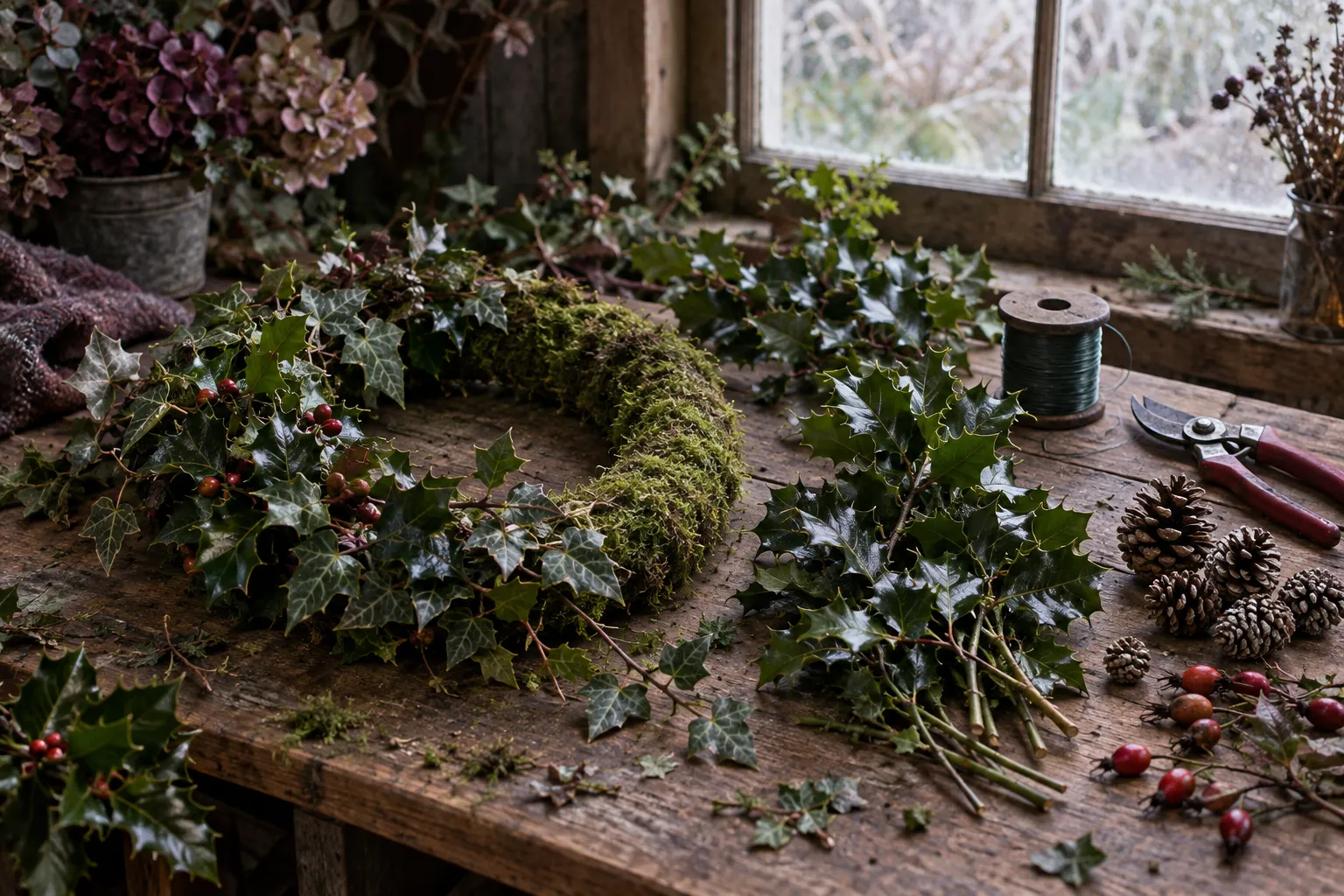 How to make a Christmas wreathYou need a willow, straw or wire ring, a bag of moss, plenty of holly cut into 12.5 to 15cm pieces, reel wire and stub wires. The RHS rates it an easy job, and a holly and ivy wreath on a moss ring lasts four or five weeks outside.
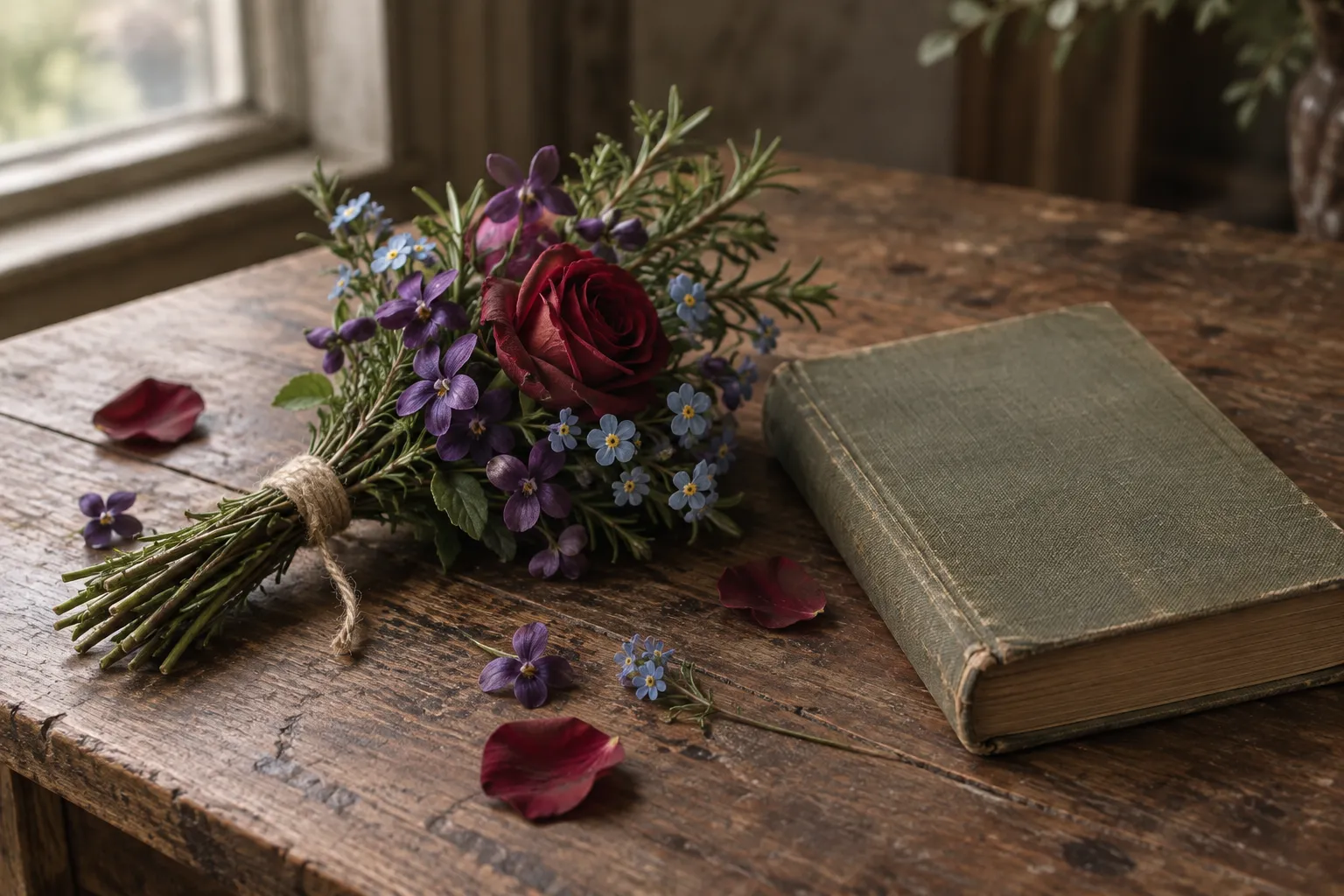 Flower meaningsFlower meanings come from Victorian books, and the books disagreed with each other. This guide follows one of them, Kate Greenaway's Language of Flowers, on the flowers people ask about.
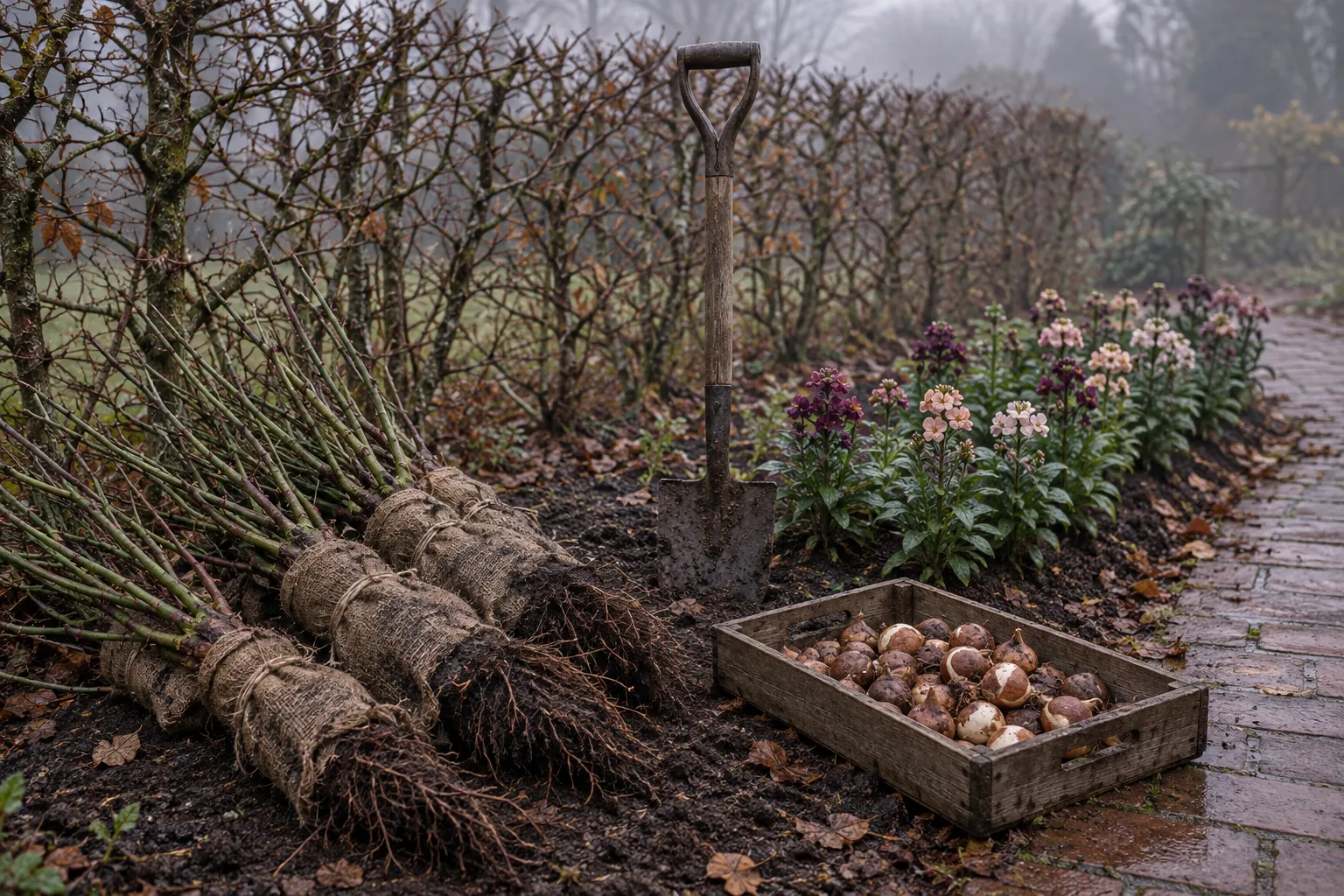 What to plant in NovemberNovember is for tulips, the last of the winter bedding, roses, and bare-root trees and hedging. Fruit trees and garlic go in too, as long as the ground is neither frozen nor waterlogged.
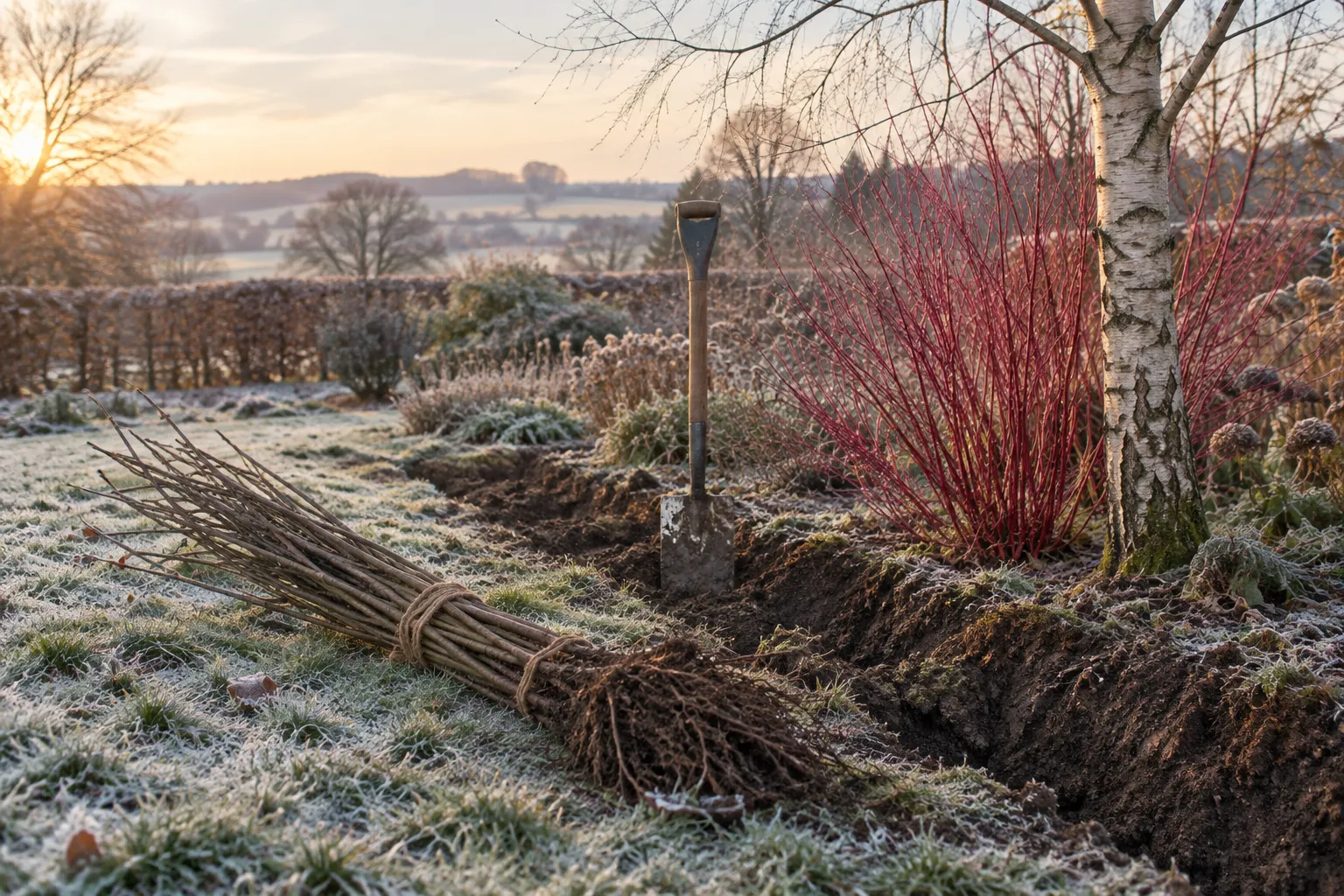 What to plant in DecemberDecember is a bare-root month. Hedging, trees, roses and fruit can still go in, as can garlic and shallots in mild places, provided the ground is neither frozen nor soggy.
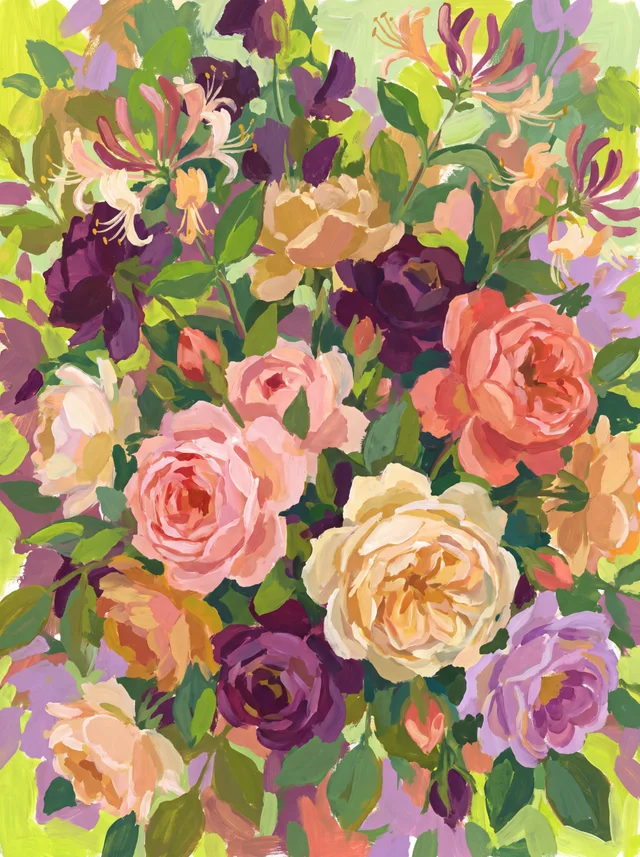 Birth flowers by monthBirth flowers by month, usually two to a month: January carnation and snowdrop, through June rose and honeysuckle, to December holly and narcissus. Pick your month in the finder to see yours. All twelve follow, with when each one flowers in a British garden.