Garden Birds in the UK: Who's Visiting
House sparrows came top of the 2026 Big Garden Birdwatch, with blue tits second. This guide covers the birds you're likely to see, the robin in winter, and how to feed them without harm.
Updated 9 October 2026
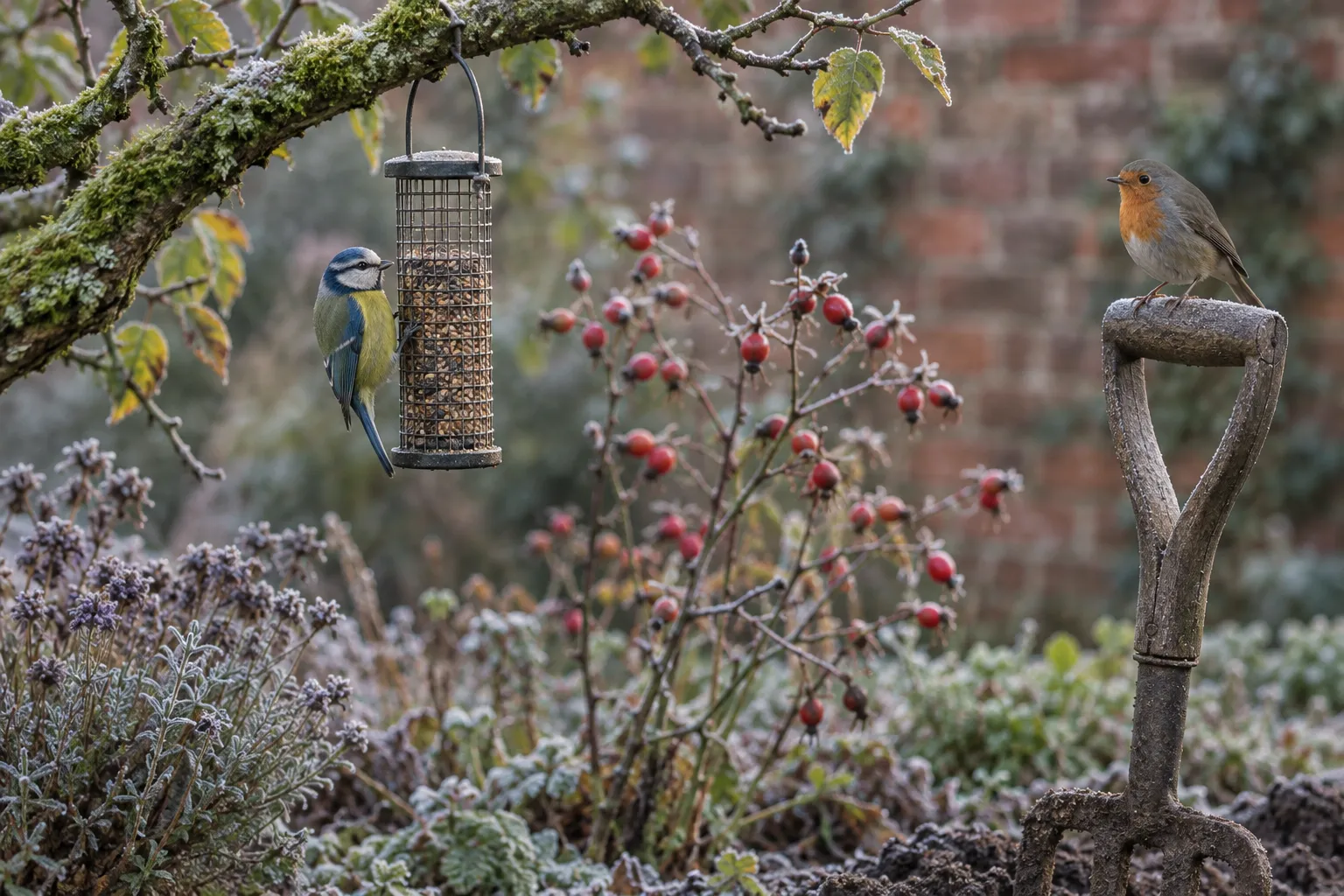
What the 2026 count found
Every January, the RSPB asks people to count the birds in their garden for one hour. In 2026, 650,279 people took part. Between them they counted more than nine million birds and over 80 species.
The RSPB's top five: house sparrow first, blue tit second, starling third, with woodpigeons and blackbirds making up the rest.
The list has a sadder side. The greenfinch finished 18th. The RSPB says greenfinches have fallen by over 65% in thirty years, and that the disease behind it spreads easily where birds crowd round feeders. That's why its feeding advice changed, and it's covered below.
The robin, and why it's the Christmas bird
The RSPB calls the robin the UK's favourite bird, and "a Christmas staple". Then it adds the awkward part. The robin is here all year, and sings nearly all year too. It is quieter only in July and August, while it moults.
Why the robin became a Christmas bird, the RSPB doesn't say. You'll often read that Victorian postmen in red coats started it. We couldn't trace that to a source we trust, so we've left it out.
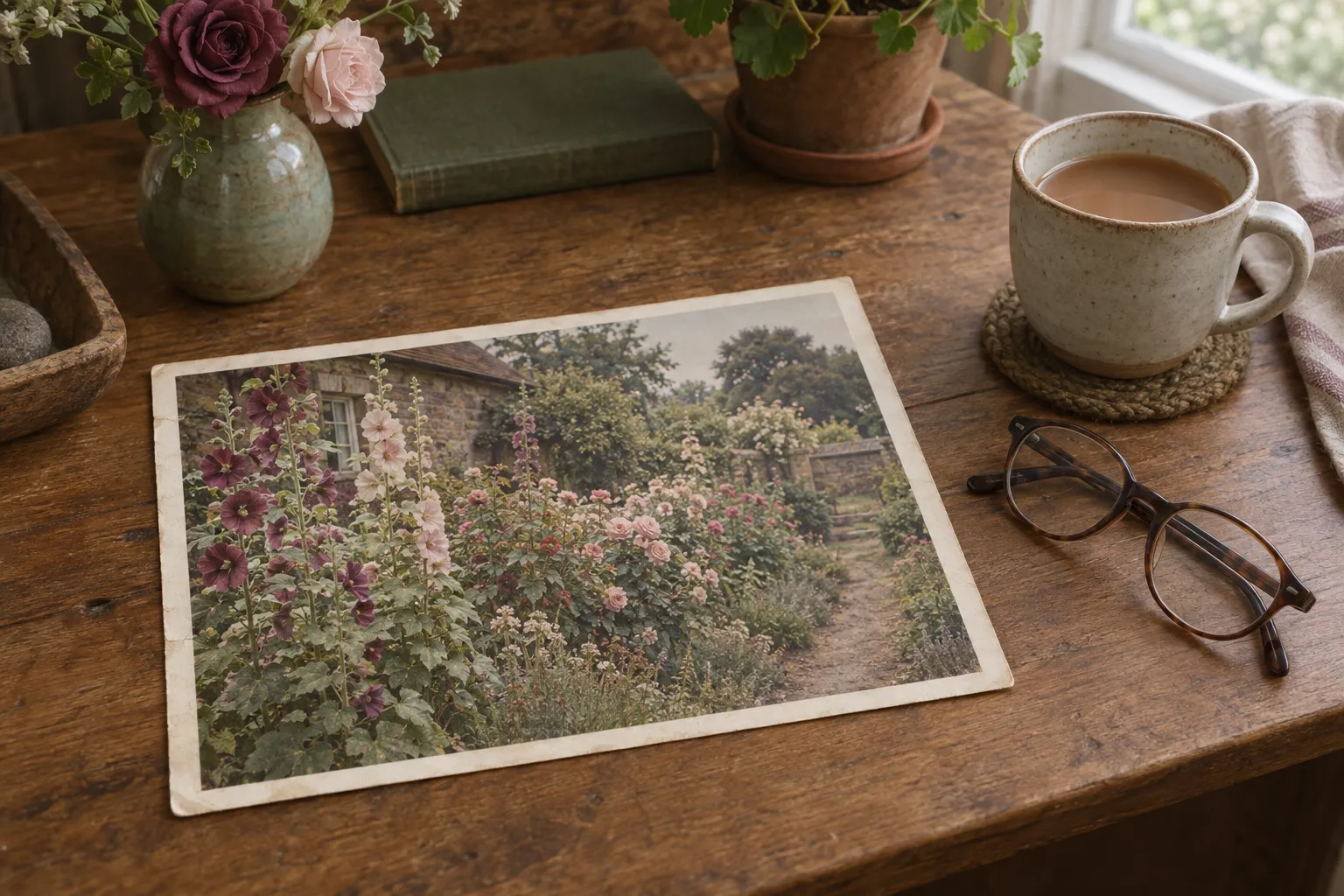
What the RSPB does tell us is better than the legend. Male and female robins look identical. Young ones have no red breast. Robins are fiercely territorial, with males defending their patch sometimes until death. They're also bold. They follow gardeners to pounce on whatever the spade turns up. The RSPB notes they like to sing from a perch, "the handle of your garden spade" included.
Robin nests have turned up in plant pots, on car bonnets and in a plane engine. A robin lays around four or five eggs, and raises two or three clutches in a season. They don't use boxes with a round hole. The RSPB says they prefer an open-fronted nestbox, where the front is cut in half.
Robin on the Spade shows that habit. For more winter pieces, see our Christmas gifts for gardeners. Ideas for the rest of the year are in our gifts for gardeners.
The smallest bird in the garden
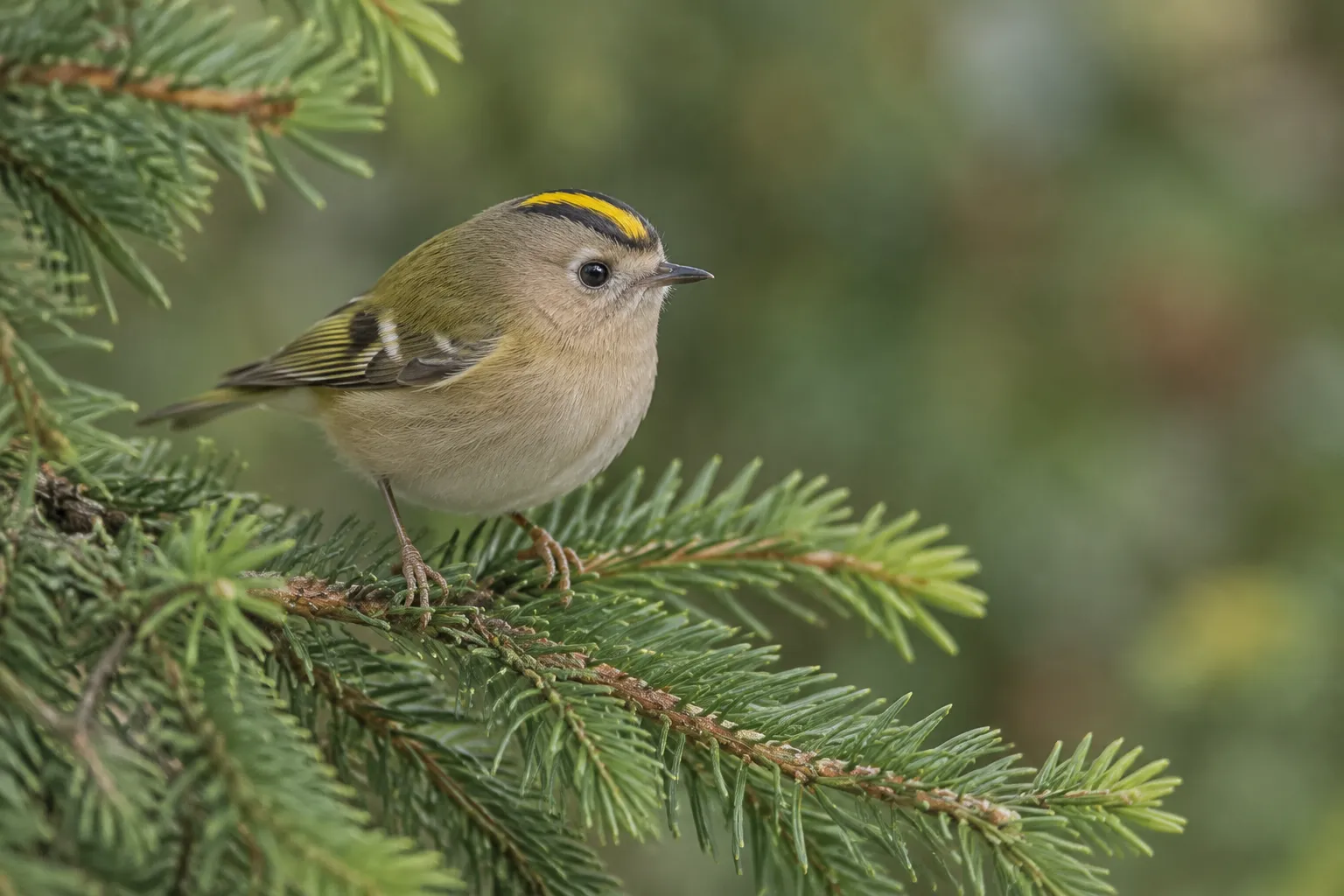
The goldcrest and the firecrest share the title of the UK's smallest bird, and the goldcrest averages about 6g. It's olive-green with a black cap and a yellow stripe, orange in the male. The RSPB says you're most likely to see it flitting about the treetops of conifer and mixed woods. It also visits parks and gardens with mature trees. It often dangles upside down as it hunts for insects.
Goldcrests are common but easy to miss. Winter is the best time to look, because each autumn the resident birds are joined by others that fly in from Scandinavia and Russia. They often tag along with flocks of tits, so a second look at a "blue tit" can pay off.
Feeding through the year
The RSPB's current advice is two rules: feed seasonally, feed safely.
Seasonally. From 1 May to 31 October, pause filling feeders with seeds or peanuts. You can keep offering small amounts of mealworms, fatballs or suet. From 1 November to 30 April, the full range is fine. The reason for the pause is trichomonosis. The RSPB says it spreads more easily in summer and autumn, when birds gather at feeders and natural food is plentiful anyway.
Safely. Disease spreads where one infected bird visits a busy feeder, so hygiene matters most:
- Clean feeders and water baths at least weekly, with hot soapy water and a non-toxic disinfectant.
- Move the feeders to a different spot every week, and keep them away from places where birds roost, such as under trees.
- Avoid feeders with flat surfaces, which includes bird tables, window feeders and feeders with trays. The RSPB says disease spreads more readily where contaminated food can collect.
- Keep food dry. Seed and peanuts should be eaten within one to two days. Suet can stay out for up to seven.
- Change water daily, using tap water, or don't offer any. A pond is the best source.
Plants that do the feeding for you
The RSPB's other advice is to help birds find their own food. Sunflowers, teasels and ivy are its first suggestions.
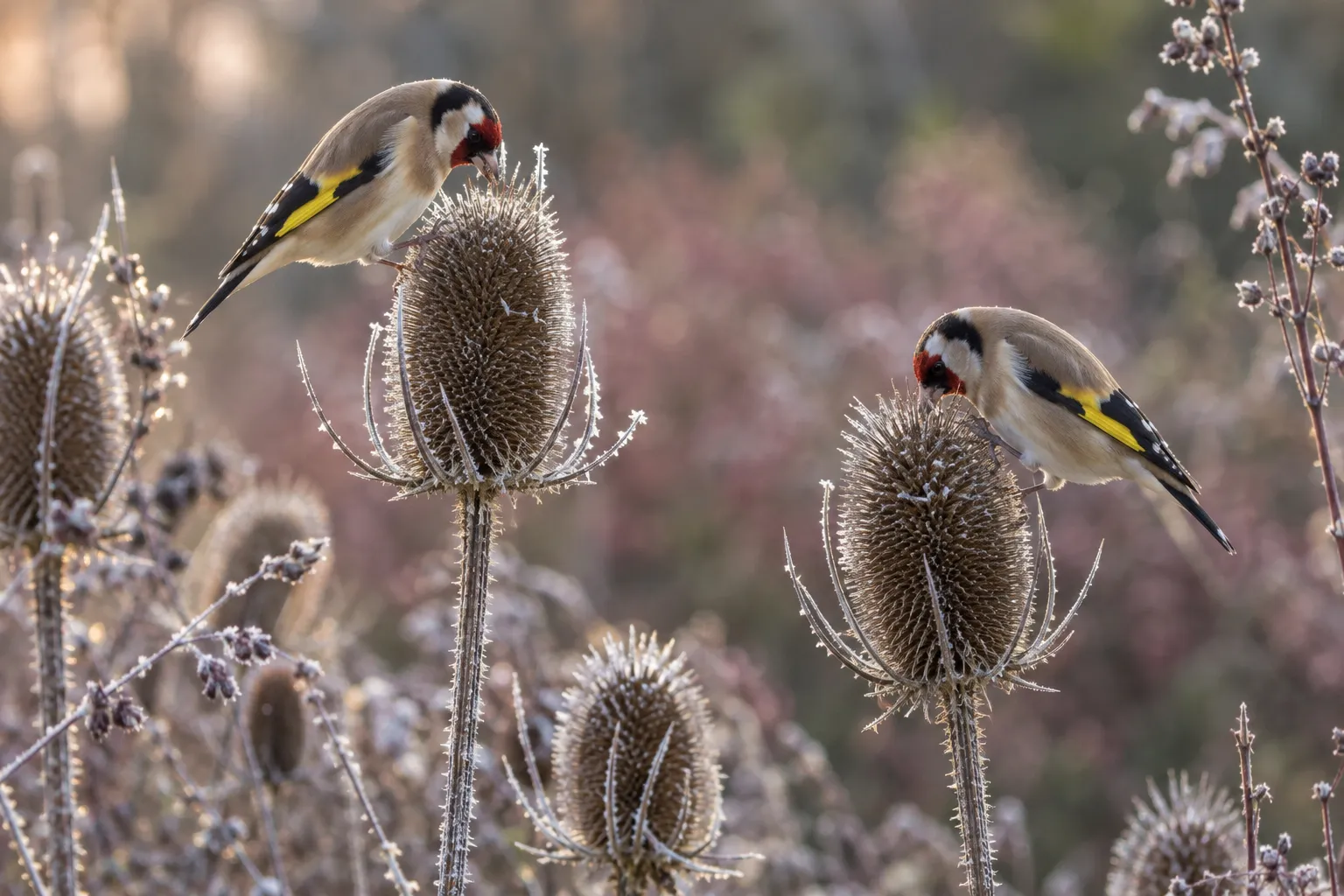
Sunflower seeds feed finches and sparrows in the colder months. Goldfinches push their beaks into teasel seedheads. Ivy berries are loved by woodpigeons, thrushes, robins, starlings and blackcaps. The RSPB says they're richer in fat than most other berries and ripen late. Leaving seedheads and fallen leaves where they lie helps too, because birds forage through leaf litter for insects and spiders.
It's a good argument for a slightly untidy autumn. If you'd like a picture of the result, Goldfinches on the Teasels shows exactly that.
Nest boxes and water
The BTO says small-hole boxes are best 1 to 3 metres above ground on a tree trunk. With no trees, the next best place is the side of a shed or wall. The entrance needs a clear flight path. Tilt the front vertically or slightly down, so rain stays out, and shelter the box from prevailing wind and strong sun. Keep it away from feeders, where the traffic could disturb nesting pairs, and make sure cats and squirrels can't reach it.
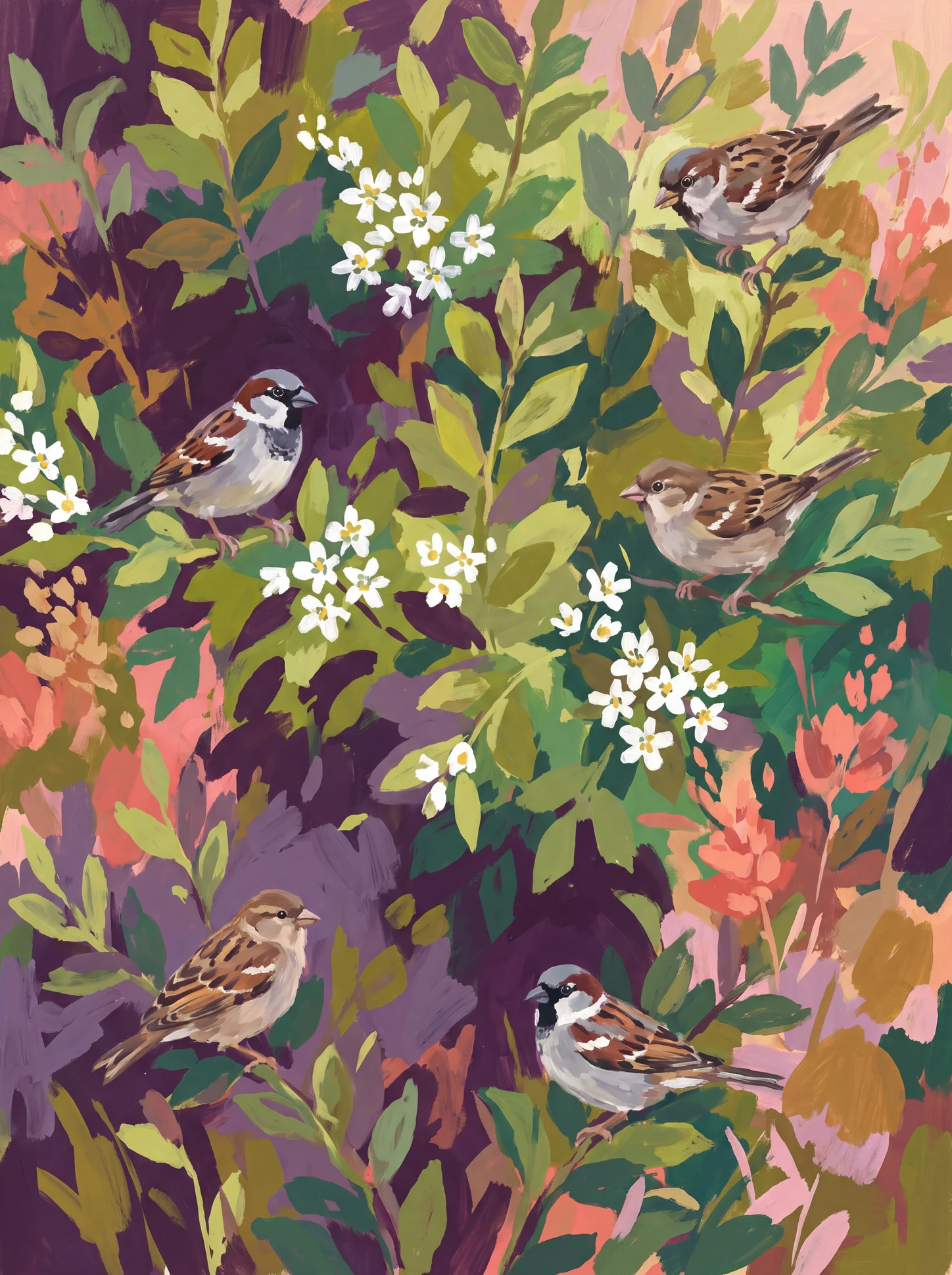
A box with a 32mm hole suits house sparrows. For starlings it's 45mm.
When? Pairs start looking in the second half of February, so a box up by the end of winter has a good chance. But the BTO says it's never too early or too late, because some birds use boxes to roost in winter.
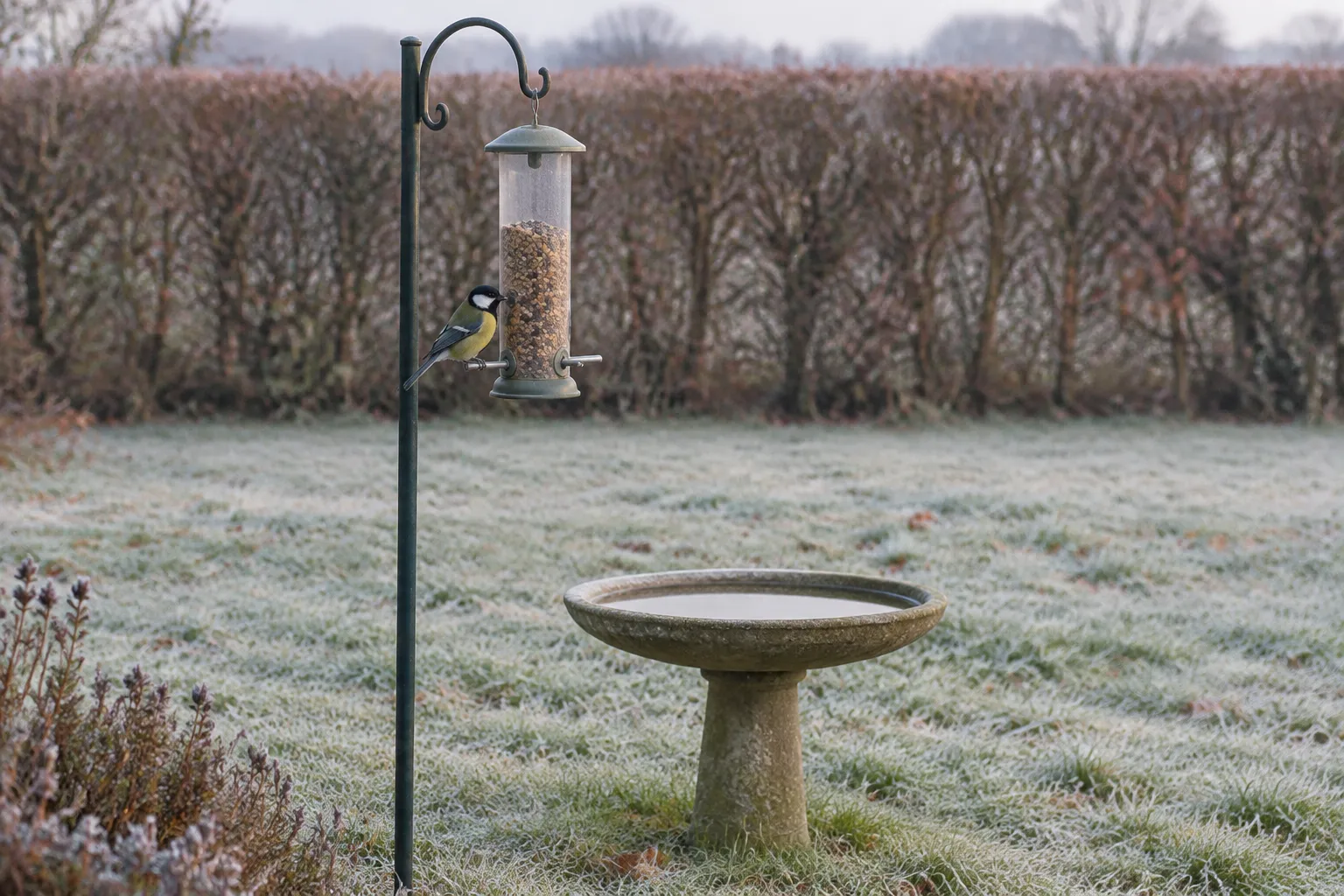
For water, the RSPB suggests a birdbath or any shallow container, such as a plant tray. Birds use it for drinking and bathing. Change it daily, and clean it weekly.
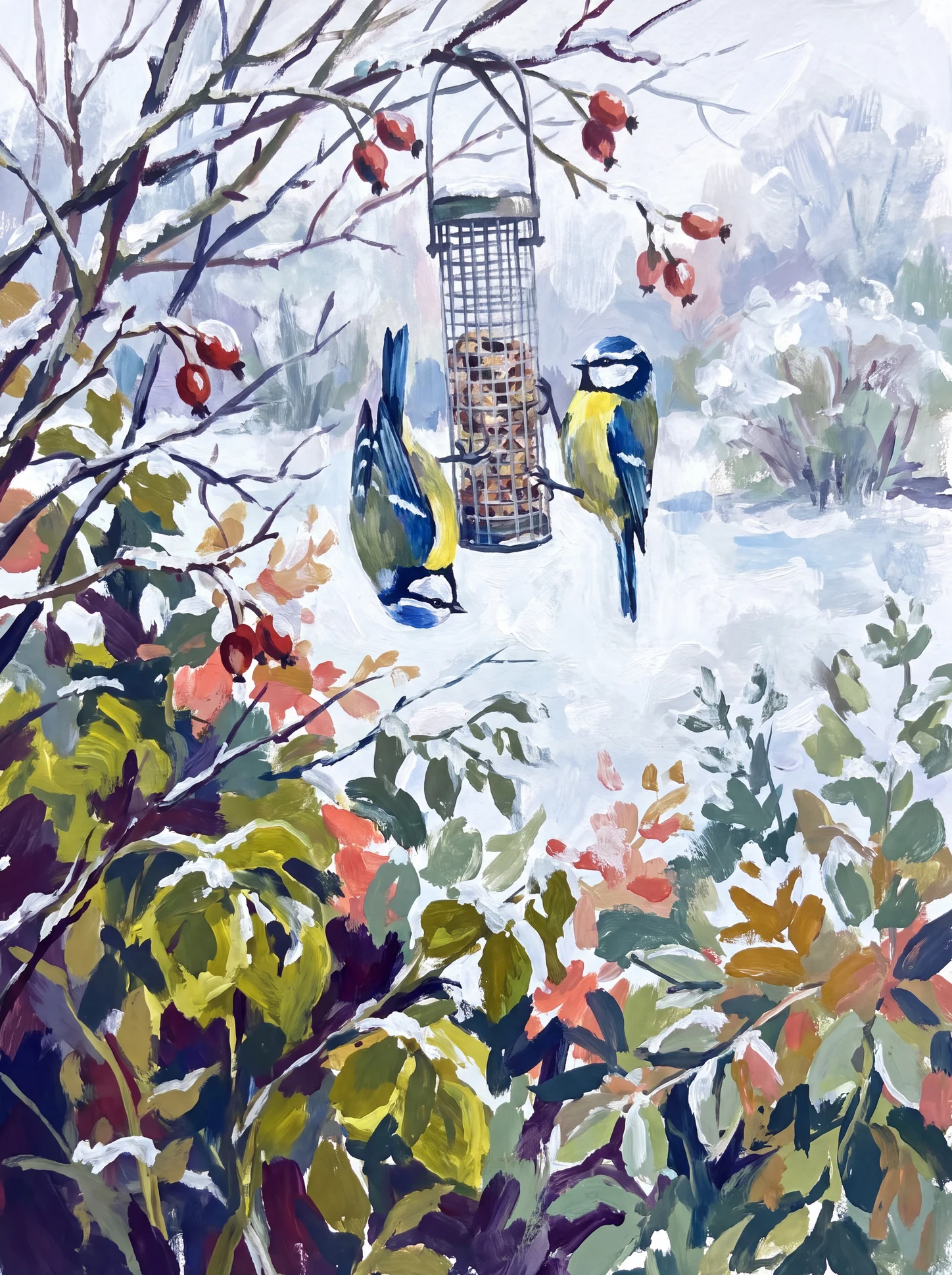
If you'd like birds on the wall, Blue Tits at the Feeder and Wren on the Wall are two to start with, printed to order. The rest of the robins, finches and tits are in our garden bird prints.
Your garden in winter
A winter garden has its own look: frost on the grass, a robin on the fence, a feeder in the corner. It's a view worth keeping. Photograph it in winter and we'll print it as it is, or in one of our art styles after you've seen a free preview.
Sources
Garden art prints to go with it
Questions people ask
What is the smallest garden bird in the UK?
The goldcrest, along with the firecrest. The RSPB gives an average goldcrest weight of 6g, about the same as six paperclips.
Where do UK garden birds go in winter?
It depends on the species. For goldcrests the RSPB says resident birds are joined each autumn by others that fly in from Scandinavia and Russia. That makes winter a good time to spot them.
Why should we not feed birds between May and October?
The RSPB says feeders spread a disease called trichomonosis, and that the risk is highest in summer and autumn, when natural food is plentiful. From 1 May to 31 October it asks you to pause seeds and peanuts. Small amounts of mealworms, fatballs and suet are fine.
Why do robins sing at 3am?
The RSPB calls robins notorious night-time singers, and says streetlights have made their after-dark performances more regular.
Why do you never see two robins together?
Robins are aggressively territorial. The RSPB says males defend their patch, sometimes until death.
What do baby robins look like?
Young robins have no red breast. The RSPB describes them as spotted golden brown, or "speckly brown all over".