When to prune roses
There is no single month, because roses are pruned by type. Find yours below: late winter suits most bush roses, and ramblers wait until late summer.
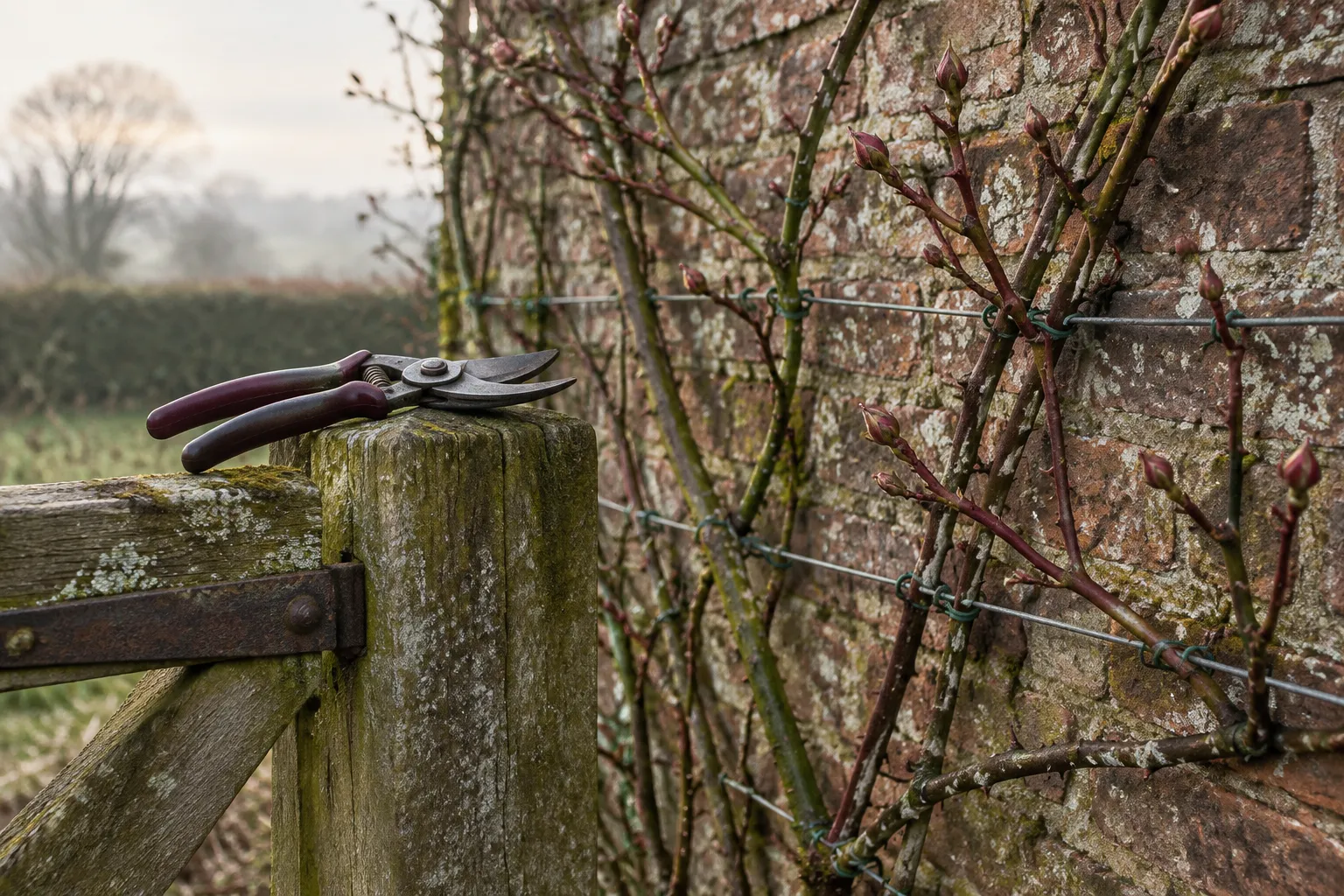
Rose pruning at a glance
| Type | When |
|---|---|
| Hybrid teas and floribundas | Late winter, usually mid-February in the south and March in the north and colder areas |
| Repeat-flowering shrub roses | Late winter, February to March |
| Shrub roses that flower once | Late summer, once flowering has finished |
| Climbers | December to February for the routine prune, late autumn to late winter for renovation |
| Ramblers | Late summer for the routine prune, late autumn to late winter for renovation |
The RHS general guide puts it more plainly for anyone who is unsure: late winter, February or March, is often a good time.
First, which rose is it?
If you've inherited a rose and lost the label, the RHS has a method for working it out. Long arching stems, great height or a need for support mean a climber or rambler. Anything else is a bush or a shrub rose.
Prune an unknown rose in February or March and watch the response. Lots of strong stems that never flower suggest a rambler. Less vigorous growth that does flower suggests a climber. Vigorous regrowth that flowers well points to a floribunda or hybrid tea, and anything else is more likely a shrub rose.
If an overgrown bush rose won't reveal itself until summer, the RHS says to prune it like a hybrid tea.
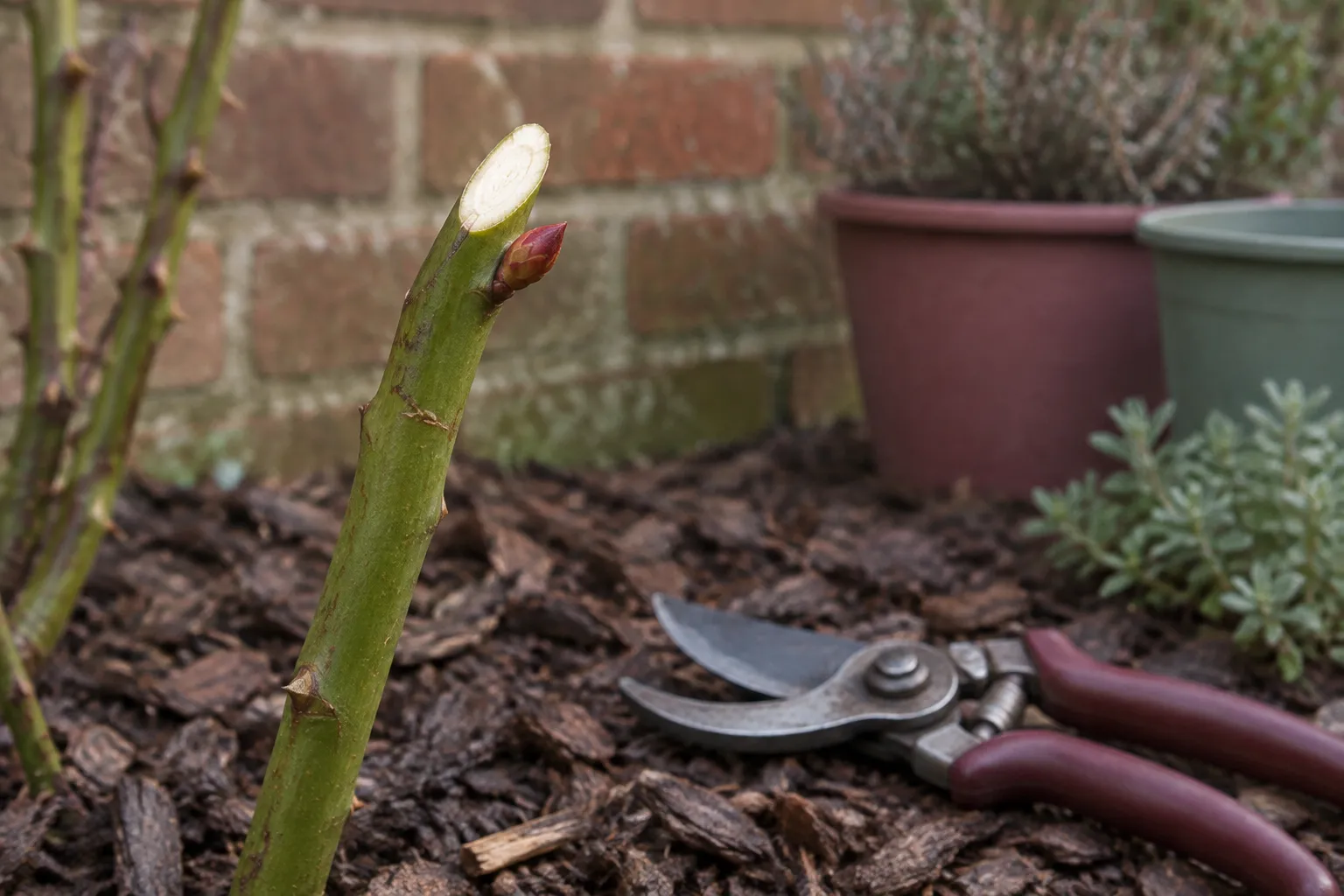
Bush roses: hybrid teas and floribundas
Both repeat-flower. Hybrid teas have shapely blooms, usually one to a stem, in three flushes from summer to late autumn. Floribundas carry clusters and flower continuously over the same stretch. The RHS timing is late winter, when growth is just resuming.
Start by cutting out dead, diseased, rubbing and crossing stems. If the bush is crowded, take out some old shoots completely to open the centre. Then:
- Hybrid teas: cut the strongest shoots to four to six buds, 10 to 15cm from the base. Weaker shoots go back to two to four buds, 5 to 10cm from the base.
- Floribundas: the difference is length. Cut the strongest shoots to within 25 to 30cm of the soil, and cut weaker ones harder.
The RHS also notes that at Wisley the aim is to cut out all three-year-old wood, leaving younger growth that flowers better.
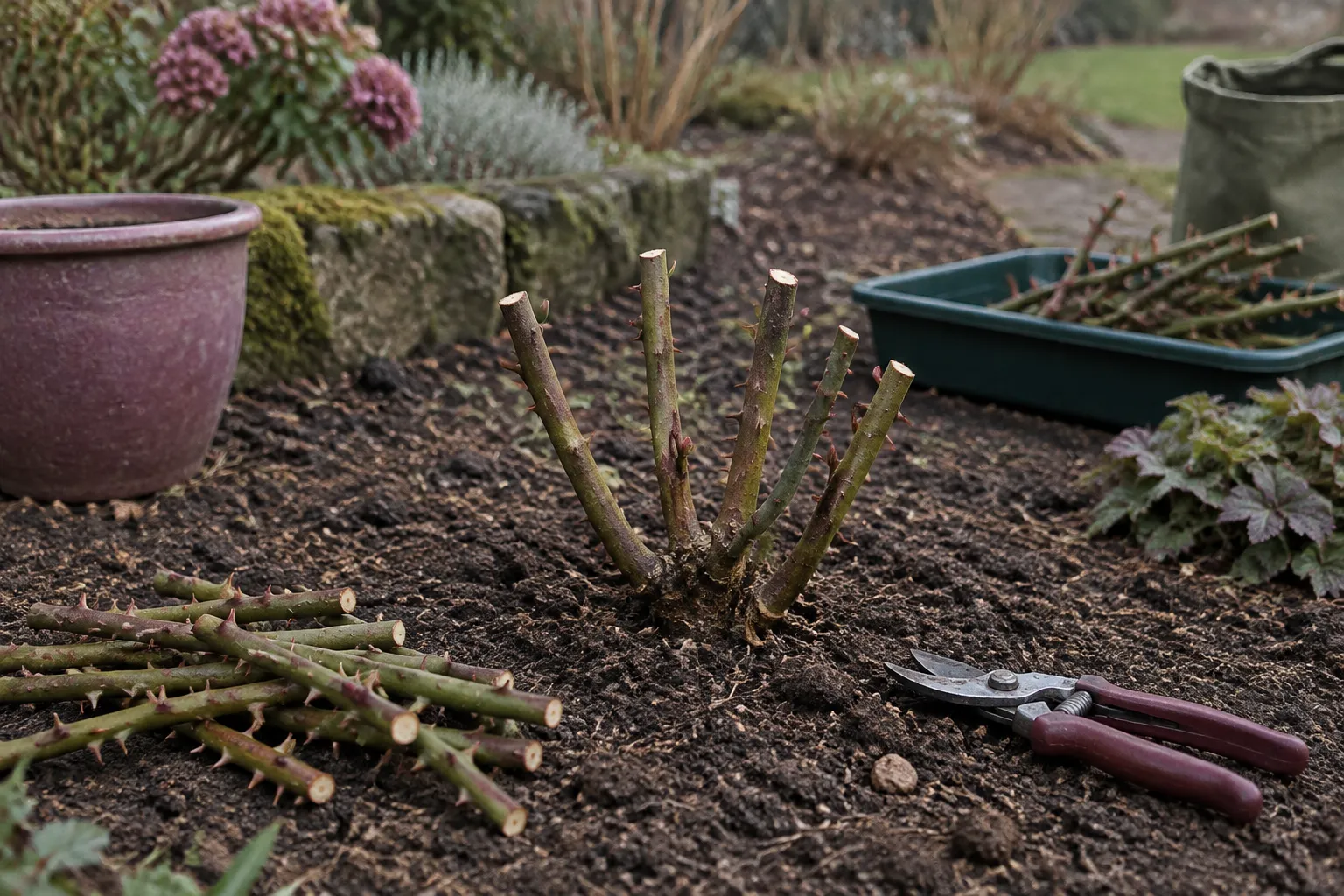
Every cut follows the same rule. Make it no more than 5mm above a bud, sloping away from it so water runs off. Choose an outward-facing bud for an open shape. Sharp secateurs matter, and so does cutting dieback back to healthy white pith.
Shrub roses
Shrub roses split in two, and the RHS shrub rose guide times each differently.
Repeat-flowering kinds, including Bourbon, China and Portland roses and David Austin's English roses, are pruned in late winter. Reduce strong new growth by up to a third. For English roses, cut the previous season's growth back by 30 to 50 per cent. Shorten strong side shoots to two or three buds. On mature plants, cut some of the oldest stems to the base each winter so new shoots can take over. Deadhead as blooms fade.
Roses that flower once, such as species and rugosa roses and old garden types like Gallicas and Damasks, wait until late summer. The job is tidying: take out dead, damaged and crossing wood, and one or two old branches from a crowded centre. Don't shorten stems only to restrict the spread. Many old roses have an arching habit and lose their grace if clipped.
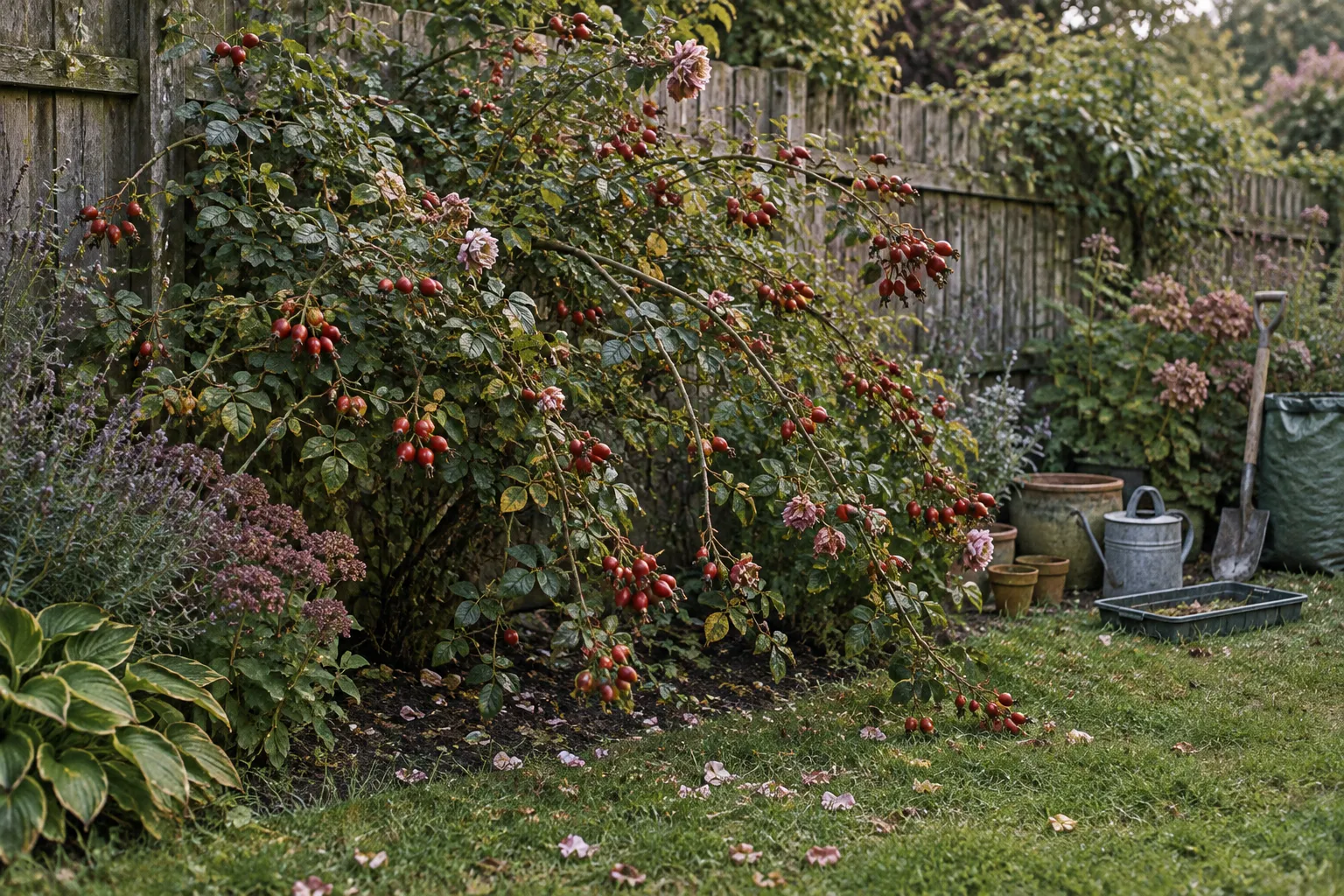
Climbers
The RHS says climbers are routinely pruned in winter, after the flowers have faded, between December and February. Renovation can be done any time between late autumn and late winter.
Routine pruning has three steps. Cut out dead, diseased or dying branches. Tie in any new shoots you need to fill the supports. Then cut flowered side shoots back by two thirds. If the plant is congested, remove really old branches from the base.
Training matters as much as cutting. Climbers aren't self-clinging, so they need trellis or horizontal wires. Set the lowest wire 45cm off the ground and the rest 30cm apart. On pillars, arches and pergolas, twist the main shoots round the uprights, as near horizontal as you can. That encourages flowering shoots low down.
Ramblers
Ramblers are the odd ones out. The routine prune is in late summer. When the supports are covered, thin and shorten excess growth by removing one in three of the oldest stems entirely. Where space is tight, cut out every stem that has flowered and tie new ones in. Finish by shortening side shoots by about two thirds.
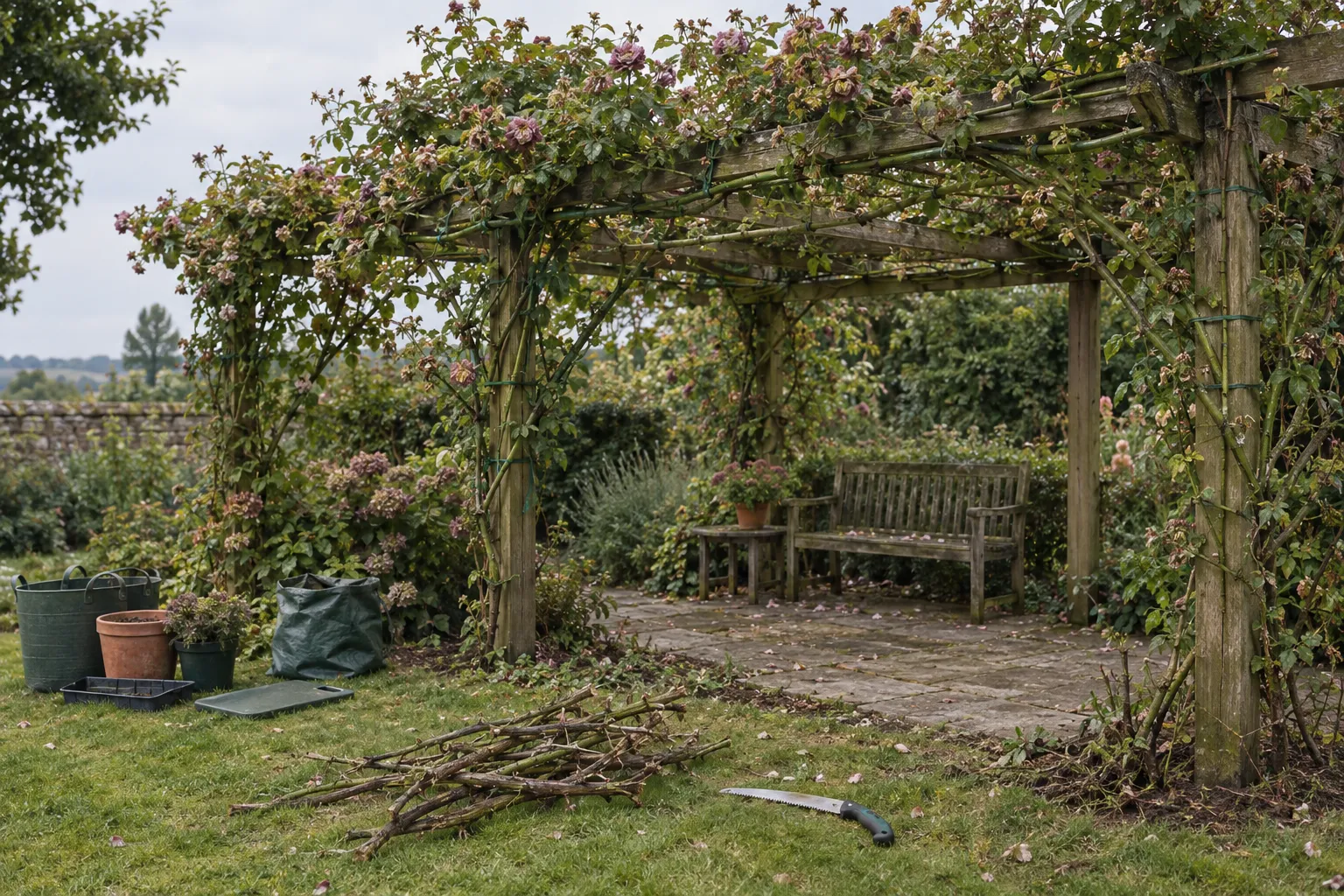
An overgrown climber or rambler gets the same renovation. Remove dead, diseased and weak shoots. Cut some old woody branches to the ground, keeping no more than six young, strong stems. Saw away dead stumps, where rain collects and encourages rot. Then shorten side shoots, and cut the tips back by a third to a half.
Pruning in autumn
Plenty of people prune in autumn, and the RHS allows a light version. Its November jobs for trees and shrubs say to cut bush roses back by a third if you haven't already. That includes hybrid teas, floribundas and modern shrub roses. The reason is wind rock. These roses are generally shallow-rooted, so tall plants can work loose in the soil when strong winds buffet them. The full prune still follows in February or March.
The same page says ramblers should be pruned now if not done already, because they go earlier than climbers and shrub roses.
After the cut
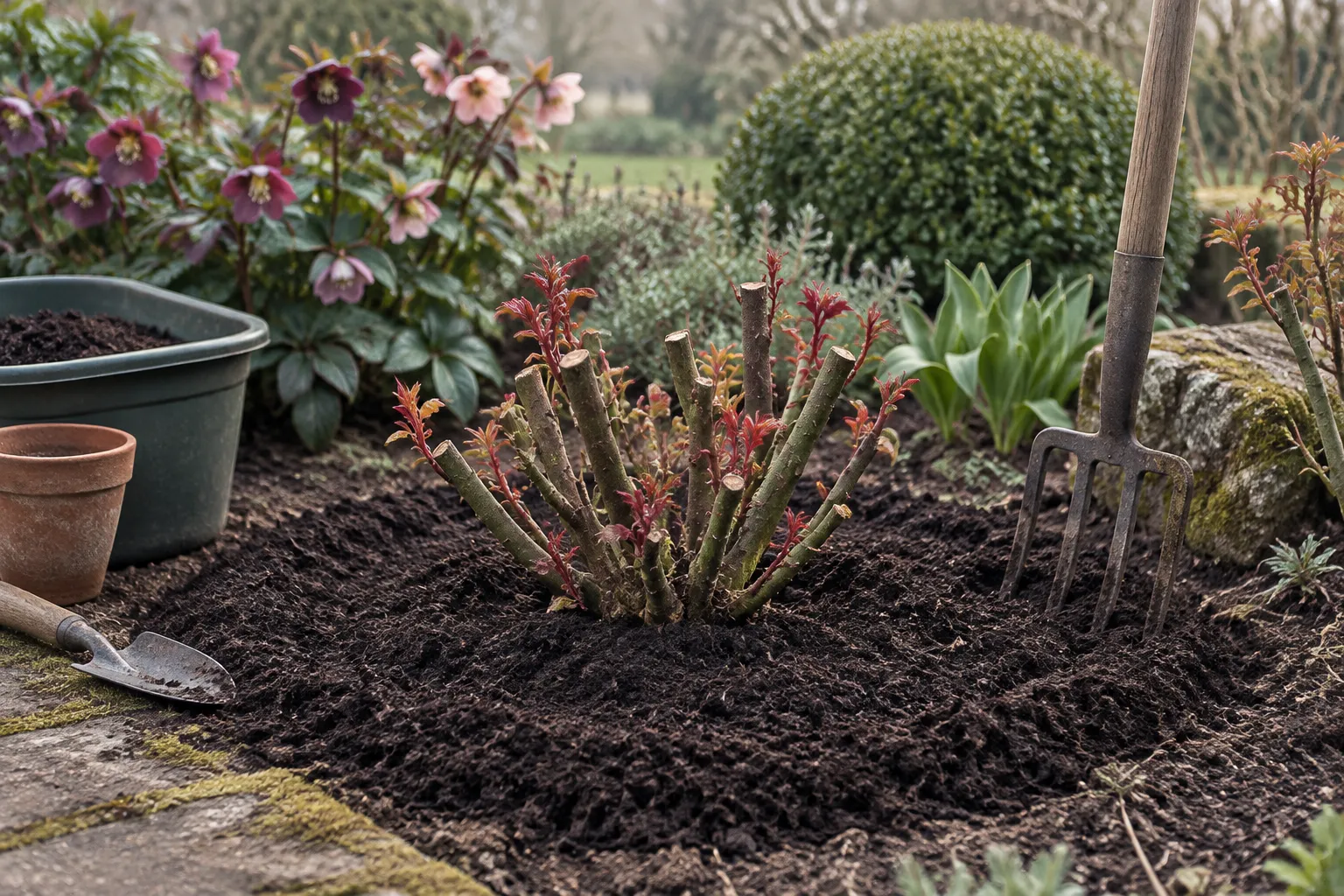
Feed pruned roses with a general-purpose or rose fertiliser in spring, then mulch with garden compost or well-rotted manure in a layer about 5cm thick. Newly planted roses are the exception to the gentle approach. Apart from climbers and shrub roses, prune them hard to encourage strong shoots.
November is also the month for adding roses. It's an ideal time to plant roses, as long as it isn't where roses grew before, because of replant disease. Our guide to what to plant in November has the rest of the month. For someone who loves roses, gardening gifts for her is a good place to start.
Photograph them in June
Pruning shows up in the flowers. The RHS says hybrid teas and floribundas bloom from summer to late autumn, so June is a good month to start taking photographs. Pick the view you recognise: the arch, the corner by the door, the bush by the back step. One Victorian book, Kate Greenaway's Language of Flowers, gave flowers meanings, and flower meanings lists what it said.
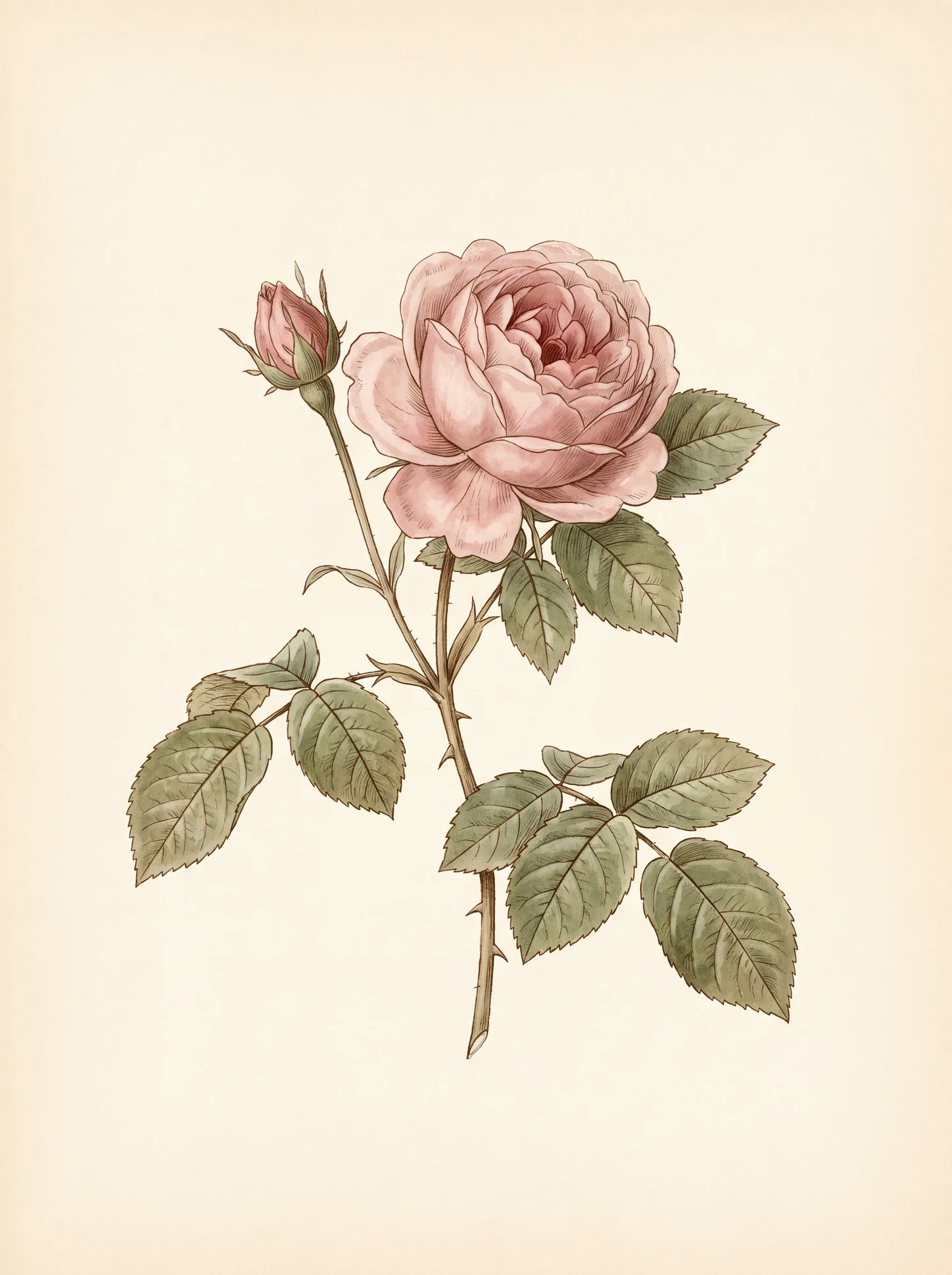
Upload your best frame and choose whether it's printed unchanged or restyled after a free preview. If you'd like a rose on the wall before then, there's a botanical-style rose illustration among our flower prints. Buying for a rose grower? Our gifts for gardeners start there.
Sources
Garden art prints to go with it
Questions people ask
Is it too soon to prune roses in autumn?
For most roses, yes. The RHS times the main prune of bush and repeat-flowering shrub roses for late winter, February or March. In autumn, only shorten very long stems on bush roses so the wind does not rock them.
What are the common mistakes when pruning roses?
Pruning every rose in the same month, cutting a once-flowering shrub rose in winter and losing next summer's flowers, and making ragged cuts. Cut no more than 5mm above a bud, sloping away from it, with sharp secateurs.
When do you prune climbing and rambling roses?
Climbers are pruned in winter, between December and February. Ramblers are pruned in late summer, once they have flowered.